

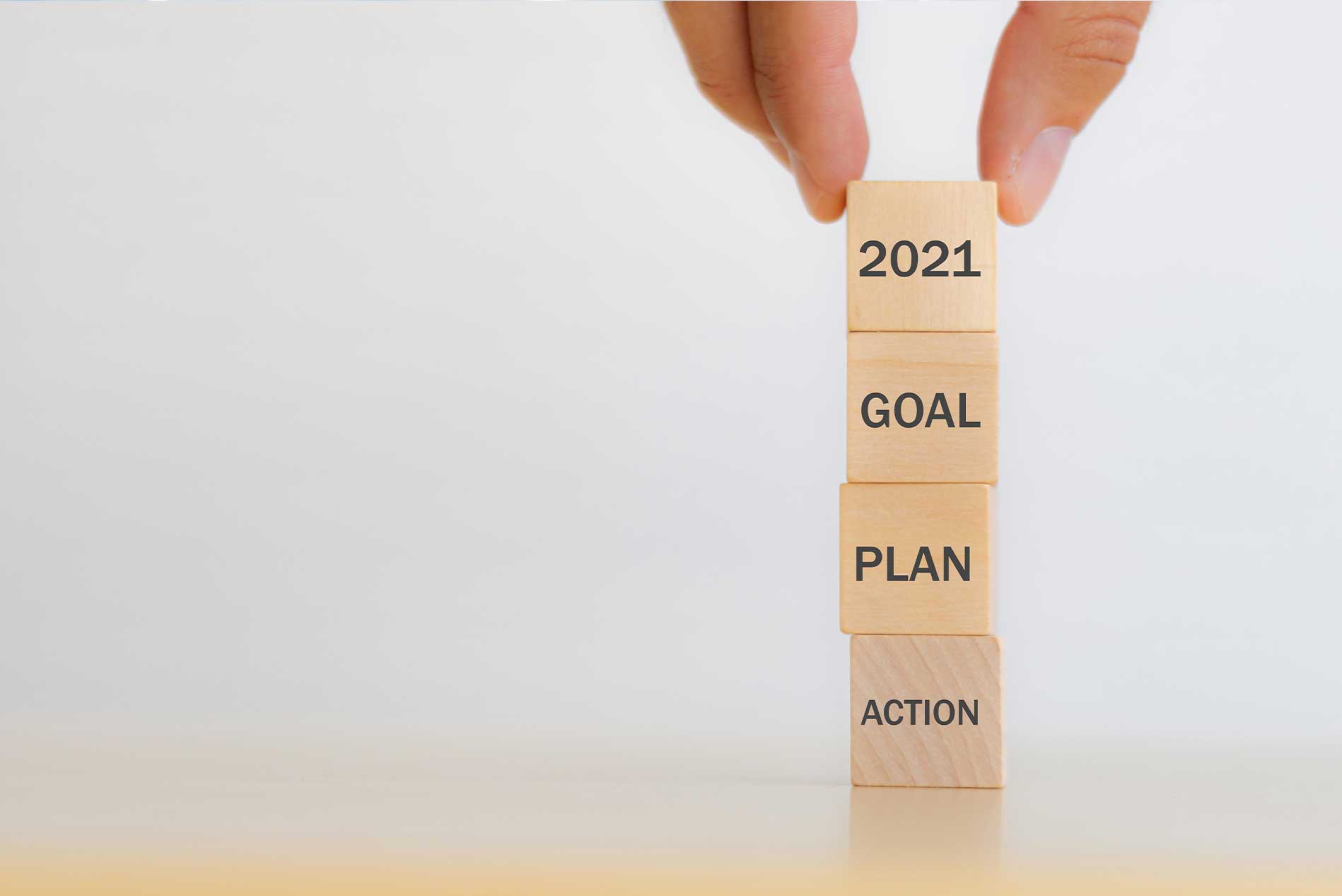
New Year’s Resolutions are always at the top of the list at the beginning of a new year and we expect at Blackberry Clinic that this will be the case for 2021! Mark Suttie, one of our physiotherapists at Blackberry Clinic Milton Keynes, has looked at a lot of the reasons why New Year’s resolutions may not last until February. He has drawn up some clear guidelines to avoid failure and frustration.
Remember, if you are struggling with any kind of musculoskeletal condition, such as sports injury, arthritis, bursitis, joint pain or back pain, our team of musculoskeletal medicine wizards are here to help you with your recovery and rehabilitation. Read Mark’s blog below and make those resolutions a permanent fixture for 2021!
Wishing all our patients a healthy and happy New Year!
Goal Setting
It’s getting to that time of year where you might be thinking about New Year’s Resolutions for 2021. Maybe you’re thinking of learning a new language, trying to lose some weight or finally reaching that 10Km run. Unfortunately, no matter how good our intentions, lots of us end up failing. Something always gets in the way, we just can’t make time for it or we start well and tail off through the year. Whatever you’re thinking of doing, smart goal setting is a great way to actually achieve these aims. Here’s the best way to structure your goals so that you can make next year different:
Specific
Work out exactly what you want to achieve. The more specific it is, the easier it is to know exactly what you need to do to achieve it. The more general your aim, the easier it is to lose focus and drift away from your target. It also becomes harder to measure your progress if it isn’t clear what you’re aiming for.
Example – aiming just to “lose weight” is much less specific than “I want to lose 2 stone”.
Measurable
Your goal needs to be measurable so that you can keep track of your progress and know that you’re on target to achieve the goal. It’s also a great motivational tool as you can see exactly how close to (or far away from) achieving your goal you actually are.
Example – “I want to be able to run further” is much harder to track and measure than “I want to be able to run 10Km”.
Achievable
Make sure your goal is a challenge but one that is actually possible to achieve. Aiming for something that is unachievable is always going to end in failure and result in less motivation than when you started. It needs to be possible within the time and resources that you have.
Example – don’t aim to be fluent in Spanish by the end of the year when you only know the basics now.
Relevant
The goal that you set needs to be important to you and should match up with any other goals that you have. Trying to do something that’s not going to hold your interest is going to be difficult to stay motivated for.
Example – aiming to complete a new course at work that isn’t going to assist your long-term work goals won’t be relevant and wouldn’t be the best goal to set.
Time
You goal needs to have a time constraint so that you have a deadline to work towards and some motivation to achieve it. It also makes it measurable and allows you to break down your goal into achievable steps.
Example – “I want to get the garden finished in 6 months” is much easier to achieve than “I want to get the garden finished at some point this year”.
If you have set your goal in this way, it allows you to break it down and work out exactly what you need to do to achieve it.
Example – for someone who is a casual runner who would like to do more, you need to have a specific, relevant target to work towards. You can then structure a training program that allows you to achieve this goal, measure your progress and complete it in time. The goal may be:
“I want to be able to run 10Km without stopping by the end of July”.
If you follow these principles, you are setting yourself up for success in 2021. Good luck!
Mark Suttie
Physiotherapist, Blackberry Clinic Milton Keynes