

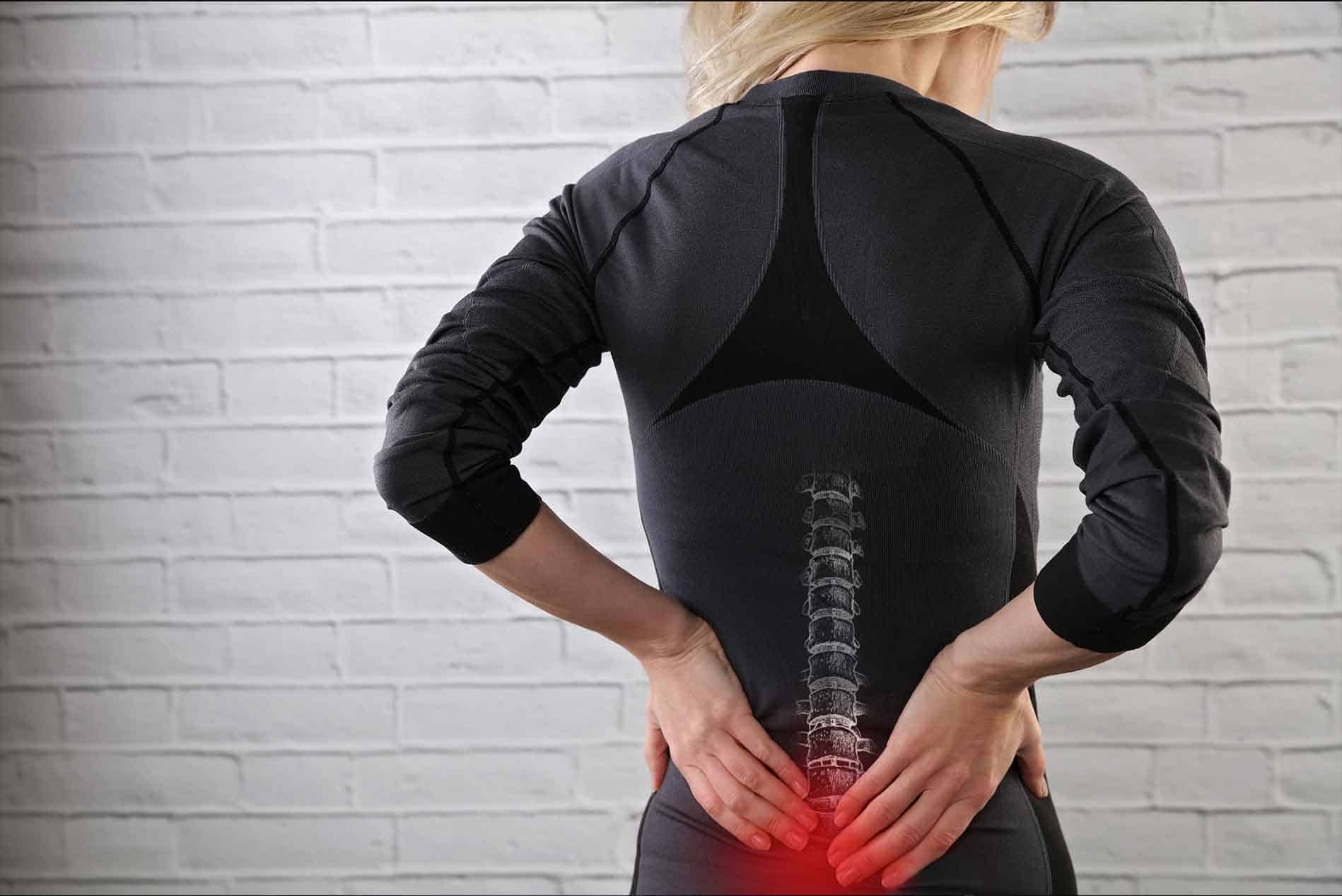
Recently Dr Petrides lectured at the BASEM Annual Conference at The Grand Hotel in Brighton to a select group of MSK doctors and other specialists. The topic of his lecture was the sacro iliac joint and examination of this joint. At Blackberry Clinic we specialise in treatment of low back pain, and often this can be caused by the SI joint. We offer a variety of treatments once the diagnosis has been made. This includes manual therapy and exercises from our physios, osteopaths and chiropractors. If the pain is not improving our doctors can offer interventional joint injections under x ray or ultrasound control. Here is some more information about the SI joint and how it commonly presents as a back pain.
Chronic low back pain can have a dramatic impact on daily activities as well as the ability to work and exercise. The sacroiliac joint (SIJ) is a very common source of low back pain, and many times is misdiagnosed as a problem with the discs or the spine.
 Anatomy of the Sacro Iliac Joint
HOW DO YOU KNOW IF THE PAIN YOU’RE FEELING IS BEING CAUSED BY A SIJ PROBLEM?
There are some common symptoms:
■ Low back pain: usually a dull ache on one side of your lower back
that may extend into the thigh or groin. It is usually below the L5, or
lowest lumbar vertebrae.
■ Buttock pain: pain can range from an ache to a sharp stabbing pain
that extends down one or both legs
■ Low back pain while climbing stairs: activities that require weight
transfer to one leg at a time, which require the pelvis to twist may
produce SIJ pain. Possibly even feeling that your leg may buckle or
give way.
■ Difficulty sitting or lying on one side: often experienced as an ache
on one side that causes you to shift weight to one side to relieve the
pain in the other.
WHAT CAUSES SIJ PAIN?
Each joint contains many nerve endings that can cause significant pain if the joint is damaged or loses its ability to move properly. Everyday wear and tear, arthritis, or a single injury can damage these joints, changing their normal movement and creating chronic and sometimes debilitating pain. The SIJ can become painful when the ligaments become too loose or too tight. This can occur as the result of a fall, work injury (repetitive strain), car accident, pregnancy and childbirth, or hip/spine surgery. Underlying biomechanical problems can also cause SIJ pain – such as one leg being longer than the other, uneven movement in the pelvis due to muscle imbalances, or one sided postural habits.
HOW IS A DIAGNOSIS MADE?
A physiotherapist will help determine whether the SIJ is the source of your pain. Evaluation includes a medical history and physical examinations. Your therapist will consider all the information you provided, including any history of injury, location of your pain, and problems standing or sleeping. There are specific tests to determine whether the SIJ is the source of pain – performing different movements, assuming certain positions to elicit the pain. Your therapist may manipulate your joints or feel for tenderness over your SIJ. Imaging studies, such as X-ray, CT, or MRI, may be ordered to help in the diagnosis and rule out other spine and hip related problems. A diagnostic SIJ injection may be performed to confirm the cause of pain.
WHAT TREATMENTS ARE AVAILABLE FOR SIJ PAIN?
Physiotherapy treatment for patients with this condition is vital to hasten the healing process, ensure the best outcome and decrease the likelihood of injury recurrence. Treatment may include: Treatment will also look at addressing any underlying muscle imbalances and postural alignment issues that would affect the SIJ. This may include stretching exercises for shortened tight muscles, as well as strengthening exercises for weak muscles commonly those around the buttocks and abdomen. Your therapist will assess your daily activities and correct any ergonomic problems that could be contributing to your pain, which may also require referral to an occupational therapist. Should you have a leg length discrepancy the therapist will advise on orthotics or inner soles and this too may require a referral. There are other medical treatments available such as SIJ steroid injections, nerve blocks and even surgery which can be discussed with your therapist or doctor in cases where conservative treatment has failed.
PREVENTION IS KEY TO AVOIDING RECURRENCE
A positive attitude, regular activity, and a prompt return to work or sport are all very important elements of recovery. If regular job duties cannot be performed initially, modified (light or restricted) duty may be prescribed for a limited time. Key points to ensure your pain doesn’t return are:
■ Learn proper lifting techniques
■ Ensure good posture during sitting, standing, moving, and sleeping
■ Regular exercise with stretching /strengthening
■ An ergonomic work area
■ Good nutrition, healthy weight, lean body mass
■ Stress management and relaxation techniques
The information contained in this article is intended as general guidance and information only and should not be relied upon as a basis for planning individual medical
care or as a substitute for specialist medical advice in each individual case. ©Co-Kinetic 2017