

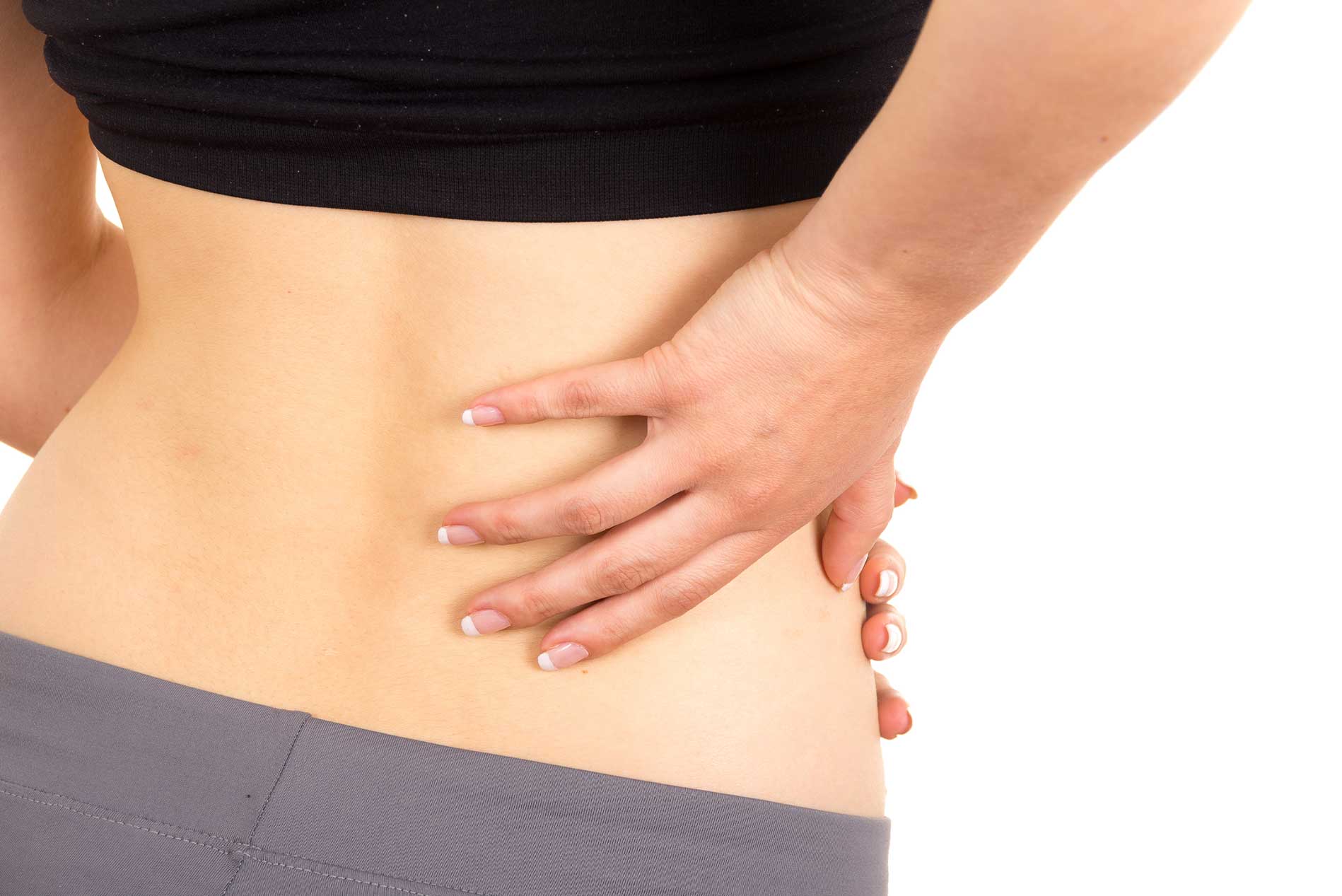
Chronic low back pain can have a dramatic impact on daily activities as well as the ability to work and exercise. The sacroiliac joint (SIJ) is a very common source of low back pain, and many times is misdiagnosed as a problem with the discs or the spine.
The first key to understanding SIJ pain is understanding the anatomy. There are two SIJ’s in your body, located on either side of the triangle-shaped bone at the bottom of your spine where it connects to your pelvis. The SIJs are a shock absorber for your spine and provide stability for your body as you run, walk, or jump. The most the joint moves in sliding is probably only 2-4 millimetres, and may tilt and rotate two or three degrees.

The SI joint is held together by several large, very strong ligaments. The strongest ligaments are in the back of the joint outside of the pelvis. Because the pelvis is a ring, these ligaments work somewhat like the hoops that hold a barrel together. If these ligaments are torn or become lax, the pelvis can become unstable. Muscles of the back and pelvis are functionally connected to the SIJ ligaments therefore their actions can affect joint mobility.
HOW DO YOU KNOW IF THE PAIN YOU’RE FEELING IS BEING CAUSED BY A SIJ PROBLEM?
There are some common symptoms:
■ Low back pain: usually a dull ache on one side of your lower back that may extend into the thigh or groin. It is usually below the L5, or lowest lumbar vertebrae.
■ Buttock pain: pain can range from an ache to a sharp stabbing pain that extends down one or both legs
■ Low back pain while climbing stairs: activities that require weight transfer to one leg at a time, which require the pelvis to twist may produce SIJ pain. Possibly even feeling that your leg may buckle or give way.
■ Difficulty sitting or lying on one side: often experienced as an ache on one side that causes you to shift weight to one side to relieve the pain in the other.
WHAT CAUSES SIJ PAIN?
Each joint contains many nerve endings that can cause significant pain if the joint is damaged or loses its ability to move properly. Everyday wear and tear, arthritis, or a single injury can damage these joints, changing their normal movement and creating chronic and sometimes debilitating pain. The SIJ can become painful when the ligaments become too loose or too tight. This can occur as the result of a fall, work injury (repetitive strain), car accident, pregnancy and childbirth, or hip/spine surgery. Underlying biomechanical problems can also cause SIJ pain – such as one leg being longer than the other, uneven movement in the pelvis due to muscle imbalances, or one sided postural habits.
Look out for our next blog post- What is the treatment for sacroiliac joint pain?
At Blackberry Clinic we specialise in treatment of all kinds of musculoskeletal injuries and conditions. We treat acute and chronic back pain and regularly treat sacroiliac joint pain. Our physios, osteopaths and chiropractors can treat this kind of back pain with mobilisation, manipulation, exercise programmes and other modalities. For persistent cases they may refer you to our Musculoskeletal Medicine and Sport & Exercise Medicine Doctors for a steroid injection or for prolotherapy if that is required. Don’t put up with back pain, make an appointment at a Blackberry Clinic near you.