

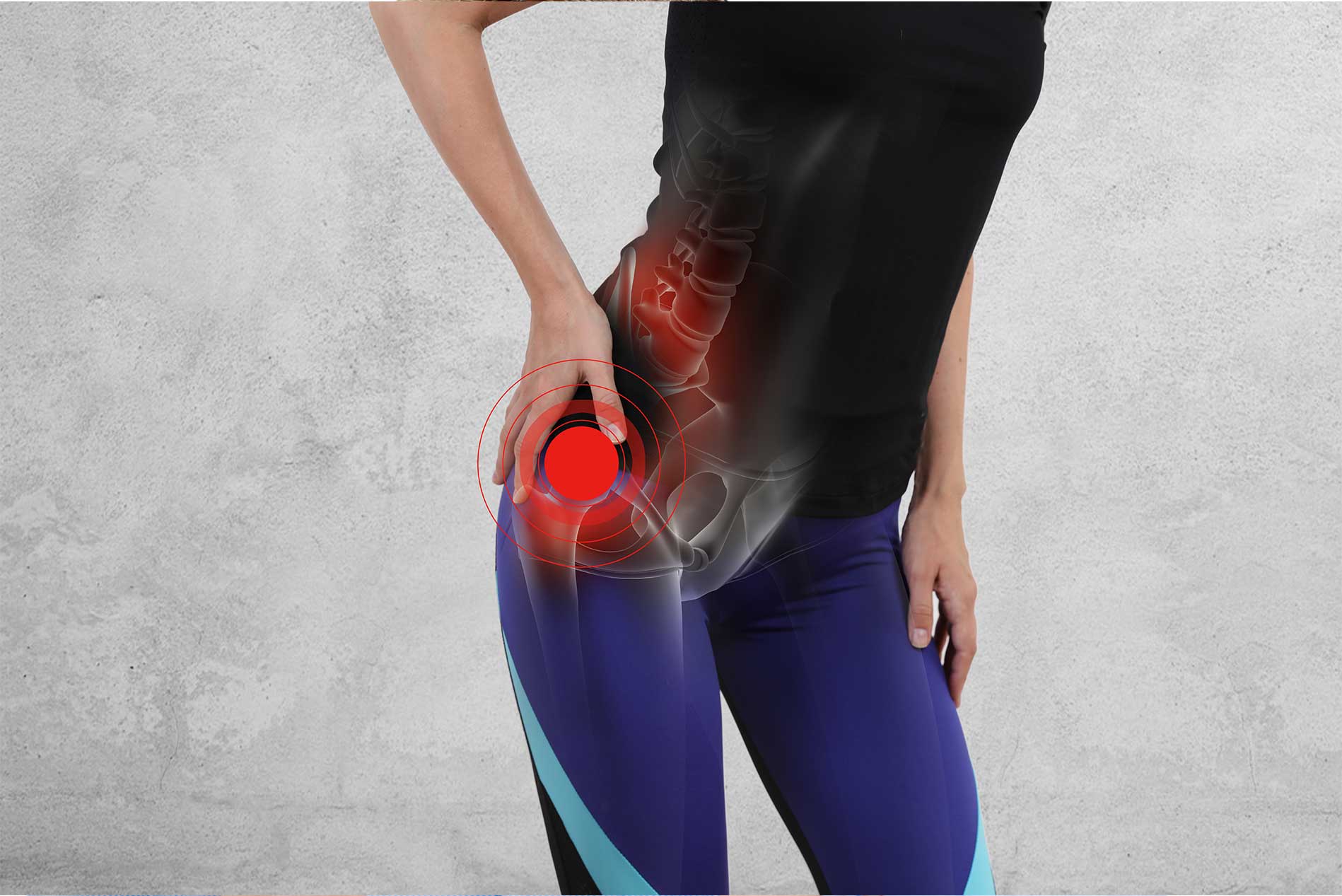
A labral tear in the hip can cause hip pain and stiffness along with limited range of movement in the hip. At Blackberry Clinic, we offer full assessment of your injury and an accurate diagnosis if possible, with patient centred treatment programmes and rehab from the acute stage of the injury to full recovery. Physiotherapy may help you to avoid surgery, but if you do need surgery it is important to strengthen and mobilise the hip so that it is in good condition before the operation. Here is some information about hip labral tears and what to expect from treatment if this is your diagnosis.
What is a labral tear in the hip?
The labrum is a ring of cartilage located on the surface within the hip joint. It helps to cushion and stabilize the hip joint through activities.
What causes a labral tear in the hip joint?
- Trauma through a sudden fall or impact
- Repetitive strain through sports particularly (ice, hockey, football, squash, tennis etc)
- Structural problems of the hip can also be a cause of labral tears
How do I know if I have a labral tear?
A labral tear will often present with the following symptoms:
- Pain on prolonged sitting (often pain in the groin)
- Pain on prolonged walking or activity
- Clicking or catching of the joint, occasionally people also experience locking of the joint
- Limited range of motion at the hip joint
- Stiffness
How is it treated?
Treatment has two main options:
- Physiotherapy
- Examination, assessment
- Strength rehabilitation
- Manual therapy
- Mobilisations
- Load management during rehabilitation
Often people make great improvements with physiotherapy, however depending of your individual circumstances (athlete, age, severity of condition etc) it may be wise to be referred for a consultant’s opinion with the possibility of surgical repair being required.
- Surgical repair
- Referral to consultant for assessment and imaging
- Analysis of imaging and discussion of treatment interventions
- Referral for surgery if appropriate (often keyhole surgery is performed)
- Physio rehabilitation after surgery is paramount to full recovery
What you should do if you might have a labral tear?
- Seek professional assessment and treatment
- Start rehabilitation
- Avoid activities that exacerbate your symptoms
- DO NOT ignore your symptoms as this may cause more damage and prolong your rehabilitation
Tory Temple-Murray
Physiotherapist
Blackberry Clinic Milton Keynes