

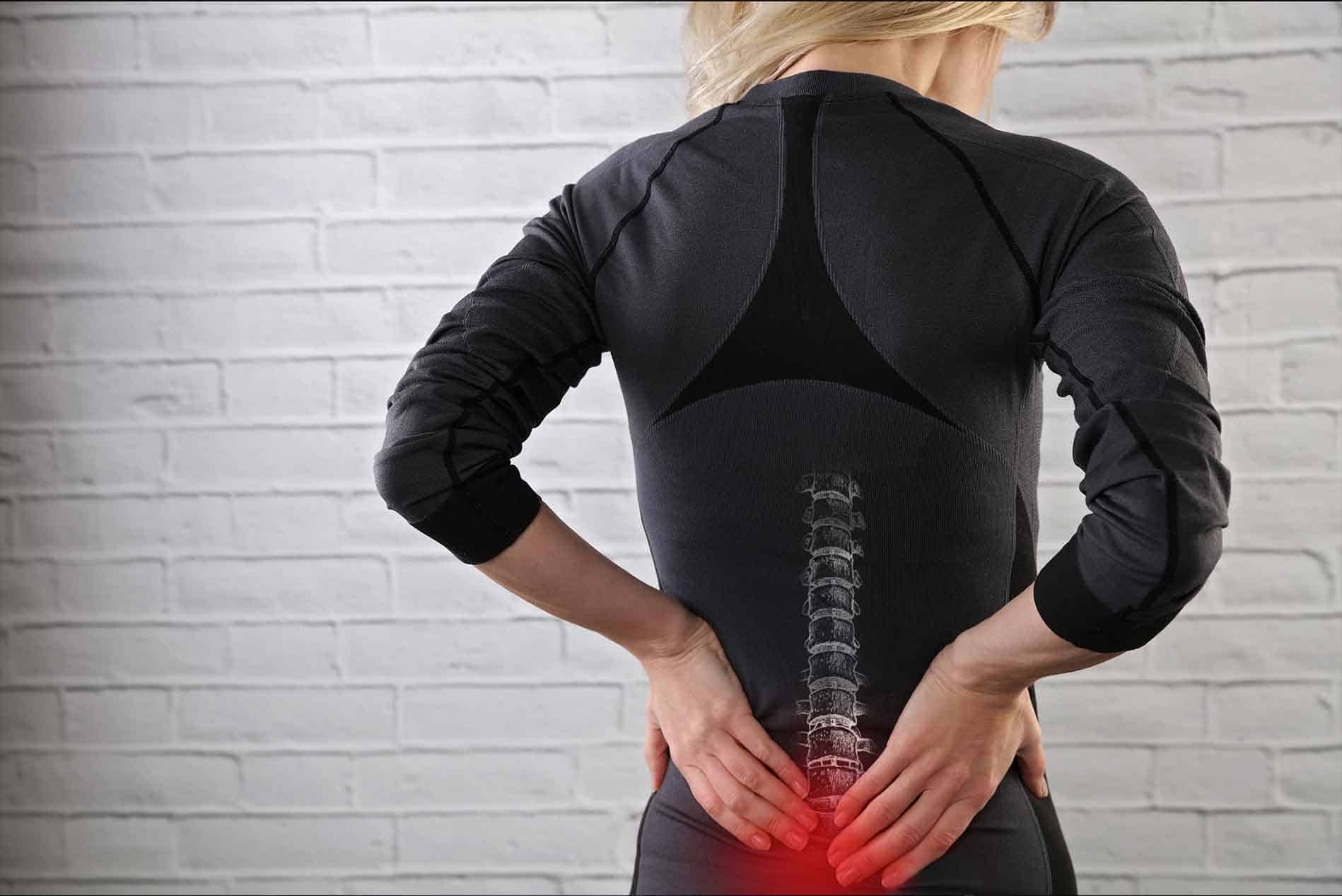
At Blackberry Clinic, whatever the causes of your back pain, we can offer assessment, advice and treatment. We can treat most causes of back pain using conservative treatment or interventional spinal injections such as epidurals. If necessary, our practitioners and doctors can refer for MRI and to surgery. Here are some of the more common triggers and causes of back pain that we see at our Blackberry Clinics:
PREGNANCY
Pregnant women may experience back pain that is localised to the lower back area or radiates into the buttock, thigh and legs, causing or mimicking sciatica symptoms. The pain may
be constant, get worse with activity, interfere with sleep, and/or reduce overall functioning. Although the symptoms usually resolve spontaneously after delivery, some conditions may remain as chronic (ie. long-term) disorders.
Women with pre existing lower back problems are typically at a higher risk of developing pregnancy related back pain. During pregnancy, natural anatomic
and postural changes (having an extra 10kg hanging off the front of you) can cause abnormal mechanical loading to the musculoskeletal system, putting strain on the ligaments and muscles of your back that have to counteract your growing belly.
The hormone relaxin increases considerably during pregnancy. It loosens ligaments and soft tissues, increasing their flexibility to allow for expansion as the foetus grows and preparation of the pelvis for childbirth. ‘Looser’ ligaments in the back can result in altered stability and strain on surrounding muscles causing pain.
At Blackberry Clinic Milton Keynes our pelvic health physio specialises in back pain in pregnant women and can offer safe and effective treatment during pregnancy and afterwards.
BREATHING
This seems like an odd trigger as without breathing, well then, you would have a larger problem than back pain! But do you get back pain as you breathe in? Pain while taking a deep breath? If this is a problem you have had since childhood and through your teens, you may have scoliosis. This is the curvature of the spine that places extra pressure on the lungs. If your spine is bent sideways it can compress the lung on the same side, and limit its ability to expand when inhaling, often causing pain.
Scoliosis may require surgery and prolonged rehabilitation with a physical therapist. Often a short-lived back pain associated with breathing in is simply an irritated nerve or ligament at the level of your thoracic spine. Your ribs wrap from your chest bone (sternum) and attach at the back to your spine. As you breathe in, small muscles between your ribs contract to expand your chest allowing your lungs to fill with air.
Movement and expansion of your ribs are made possible by their joints at your spine. These joints have ligaments that can become strained or inflamed, thus eliciting pain on movement. Small nerves can become ‘pinched’ at these points also creating pain. Physical therapy can reduce the pain and restore normal function at these joints.
At Blackberry Clinic Milton Keynes, our lead practitioner, Mark Suttie, offers Connect Therapy and the Thoracic Ring approach which can help with pain and dysfunction in the joints.
MENSTRUAL CYCLE
Low back pain during menstruation is typically muscular in nature and thought to be caused by hormone changes. Prostaglandins (hormones released during a menstrual
cycle to promote uterine contraction to shed the uterine lining) can affect the lower back muscles. An excess of prostaglandins can cause severe muscle contraction resulting in dysmenorrhea or painful menstruation. Intense contractions can lead to low back pain, as the pain can radiate from the lower abdomen into the lower back.
SITTING
A common reason your back hurts when you sit is from bad posture. Sitting in a slouched or hunched-over position can put strain on the discs, ligaments and muscles along your spine. Underlying disc herniation (bulging disc), sciatica or spinal degeneration can make sitting more painful. Prolonged sitting also results in muscles seizing up. Watching how you sit, getting up often (every 30 minutes) and moving around helps to mobilise your muscles and joints and reduce pain.
Our physios can offer postural rehabilitation and ergonomic advice.
WALKING
Back pain while walking may be due to poor muscle fitness. Muscles that are weak and lack endurance may tire easily resulting in spasm and pain. Walking also requires good mobility in your hips, pelvis and upper back – if this is lacking your lower back will take strain. Wearing supportive, cushioned shoes while walking will also reduce the load and therefore the strain on your lower back.
STANDING
Standing with a poor posture can load certain muscles and joints unnecessarily. This can cause pain and irritation. Muscles also need to be strong and fit with endurance to ‘hold you up’ against gravity when standing for prolonged periods. When a muscle tires, it may go into spasm and result in pain.
NIGHT PAIN
Back pain that is associated with inflammation can be worse at night; for example, a bulging disc can swell more at night and cause more pain. Likewise, following a night of little movement, you may wake feeling pain and stiffness, but this often eases once you start moving. However, pain at night, pain that is worse at night while resting or pain that wakes you at night is serious and a red flag for a more serious underlying cause of back pain. This should be assessed by a doctor.
Don’t put up with back pain, come and see the experts at a Blackberry Clinic near you!
For more information from the NHS about back pain here is a useful resource, click here