
With the boom in cycling we are seeing more and more incidences of Achilles tendon pain in our cyclist patients at Blackberry Clinic. This is a very common condition and here we outline the causes, management, treatment and how to prevent this problem. If you are suffering from Achilles tendon pain, give Blackberry Clinic a call and let us help you get back in the saddle! Our physiotherapists are here to help you with their expertise and knowledge about Achilles tendon pain, achilles tendinopathy, heel pain and other injuries.
THE INJURY
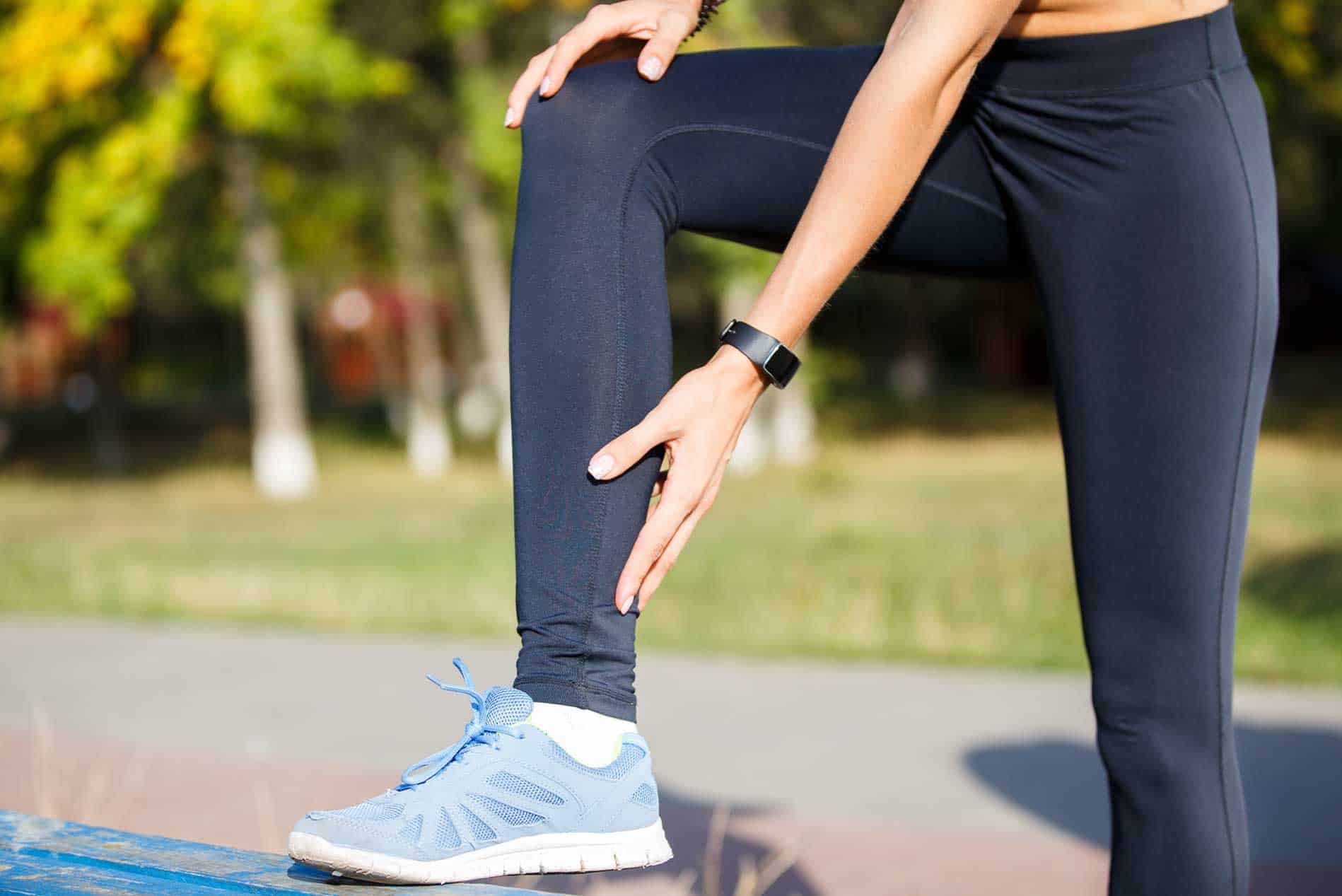
The Achilles tendon is the tendon at the back of the ankle, connecting the calf muscle (gastrocnemius) to the heel. If your Achilles is sore during or after riding you may have Achilles tendinopathy. Inflammation, micro-tears or compromised blood flow, often caused by overuse, could put a stop to your riding season
Quite often it is caused by a sudden increase in training volume and intensity, and particularly hill sessions. The ankle and calf muscles work together to transmit and dissipate the forces generated from the foot/pedal. Overloading a weak, fatigued or tight calf muscle can strain the Achilles tendon.
Pain develops because of weakness or dysfunction in the tendon rather than what was previously thought to be an inflammatory reaction. This can be a challenging area to treat due to the tendon’s poor blood flow, which may need longer recovery periods, so it’s best to tackle this injury at the earliest point possible.
If your pain is low down on the Achilles tendon and sometimes seems like heel pain check your injury with a physical therapist to ensure you are focusing your rehab on the right area. Heel pain could be originating from the plantar fascia in the foot, or the Achilles tendon, and the treatments for each are different.
MANAGEMENT AND REHABILITATION
Rest, icing, and taping or strapping can relieve symptoms in the early/acute stages. You may need to reduce your training intensity and volume, and the injury might even require complete rest for a few weeks, depending on pain and the severity of the injury.
The earlier you get treatment the shorter your time off the bike. Soft tissue massage can be used to release tight structures throughout the lower limb and back. Physical therapy treatment will be focused on mobilising tight structures and strengthening your calves, hamstrings, glutes and core. It may also include some acupuncture.
Strengthening your calf muscles is important. It’s a specific type of strength – called eccentric calf strength. This is the ability of the muscle to control a contraction as it lengthens and stretches, the opposite of the common concentric strength (calf raises) where the muscle shortens and bulges as it contracts. Research has shown that eccentric calf strength is essential for Achilles tendon rehabilitation and injury prevention. Your physical therapist can give you a progressive strengthening programme, including effective stretches.
PREVENTION
BODY CONDITIONING TIPS
Stretching of the calf muscle complex is essential to maintain good flexibility and mobility. This can be achieved through routine daily stretching and regular massage.
A weak posterior chain (the muscles that work together along the back of your body including the back extensors, gluteus muscles, hamstrings, calves) can also be a cause of Achilles tendinopathy. Because cycling, and many other things we do in our everyday lives, involves hunching forwards over your handlebars or desk, your posterior chain, the extensors that hold you upright, have a tendency to become weak.
Strengthening the posterior chain muscles using exercises like bridging, reverse plank, deadlifts, superman and Pilates-type Swiss ball exercises will all contribute towards reducing Achilles injury risk. It’s a good idea to get a specific exercise programme from your physical therapist.
Severe pronation, foot instability, or a leg-length discrepancy can also affect the Achilles tendon. A small wedge in your cycling shoe may correct this and stabilise your foot, thereby off-loading your Achilles tendon.
BIKE SET UP TIPS
Having your saddle too high keeps the foot plantar-flexed (toe pointed down), causing constant contraction of the calf muscles and load on the tendon. Lowering your seat and making sure that your cleats aren’t pushed all the way forward towards the toe will help to even out the muscles you’re using to pedal.
Moving your cleats backwards, just 3-5mm can help. You may be dropping your heel too much on the down stroke, overstretching and loading the tendon. Try to keep a flat peddle stroke.
If manual therapy, exercises, stretching and rest does not help, our physiotherapists may suggest you see one of our Sport & Exercise Medicine consultant doctors who specialise in Sport injuries. They can offer diagnostic tests using musculoskeletal ultrasound and if necessary they will refer you for an MRI for further investigation. They can offer Shockwave Ultrasound Treatment for achilles pain as well.