

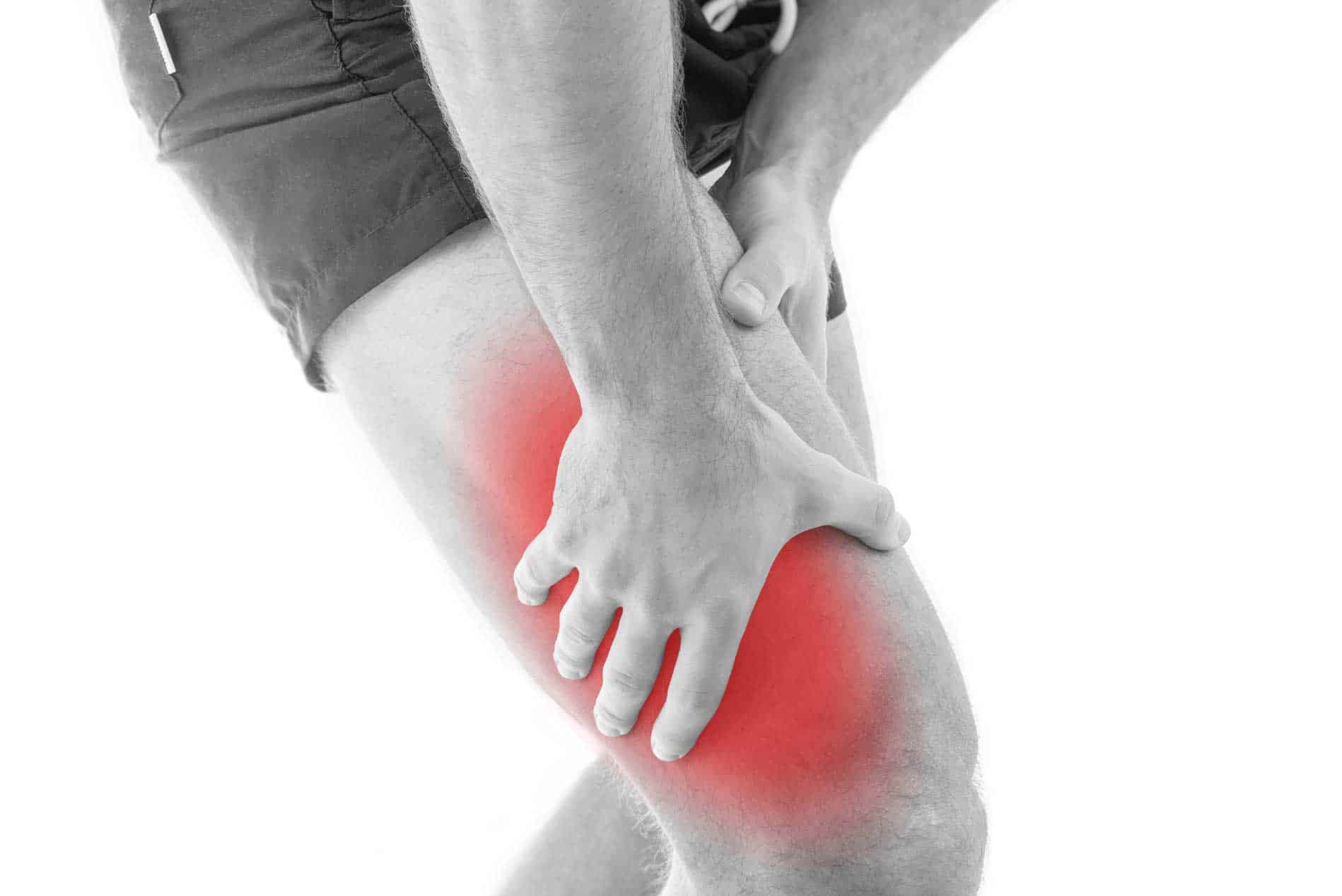
What do people mean when they say they are suffering from DOMS? This is pain after exercise that does not occur immediately, it is often known as ‘muscle fever’ and is an aching and soreness in the muscles often caused by unaccustomed and unfamiliar extreme exercise. At Blackberry Clinic we can help you avoid this by offering advice on return to exercise after injury or starting exercise as a novice. A graduated programme of exercise and stretches will prevent you developing DOMS and if you do have DOMS we can offer Sports Massage and other treatments that may help.
Here is the science behind the phenomenen:
DELAYED ONSET MUSCLE SORENESS (DOMS)is defined as delayed muscle pain, stiffness, swelling, loss of force-generating capacity, reduced joint range of motion, and decreased proprioceptive function.
In DOMS, the pain is not felt for about 8 h, peaks 1 or 2 days later, and subsides within 7 days after exercise.
The pain is thought to be a result of microtrauma to the muscles followed by inflammation. There are several theories which try to explain the mechanism of DOMS: such as muscle spasm, lactic acid metabolites (hydrogen protons), connective tissue damage (muscle, fascia) inflammation, and enzyme efflux.
Scientists work all the time, so we have a new proposition explaining the DOMS phenomenon.
According to it, DOMS is an acute compression of the nerve endings in the muscle spindle, Compression Axonopathy (irritation of a nerve).
This acute compression axonopathy could coincide with microinjury of the surrounding tissues and is enhanced by immune-mediated inflammation.
DOMS is masked and hence feeling of pain delayed by sympathetic nervous system activity at the beginning, but once it subsides , the parasympathetic system takes over to help tissue in recover and we start to feel pain.
In more detail:
DOMS becomes manifest when the micro injured non-nociceptive sensory fibers of the muscle spindle stop inhibiting the effects of the microinjured, hyperexcited nociceptive sensory fibers, therefore providing the ‘open gate’ in the dorsal horn to hyperalgesia.
Reactive oxygen species (ROS) and nitric oxide (NO) play a cross-talking role in the parallel, interlinked degeneration–regeneration mechanisms of these injured tissues.
The researchers propose that the mitochondrial electron transport chain generated free radical involvement in the acute compression axonopathy.
Ref:
Sonkodi, B., Berkes, I., & Koltai, E. (2020). Have We Looked in the Wrong Direction for More Than 100 Years? Delayed Onset Muscle Soreness Is, in Fact, Neural Microdamage Rather Than Muscle Damage. Antioxidants (Basel, Switzerland), 9(3), 212. https://doi.org/10.3390/antiox9030212