

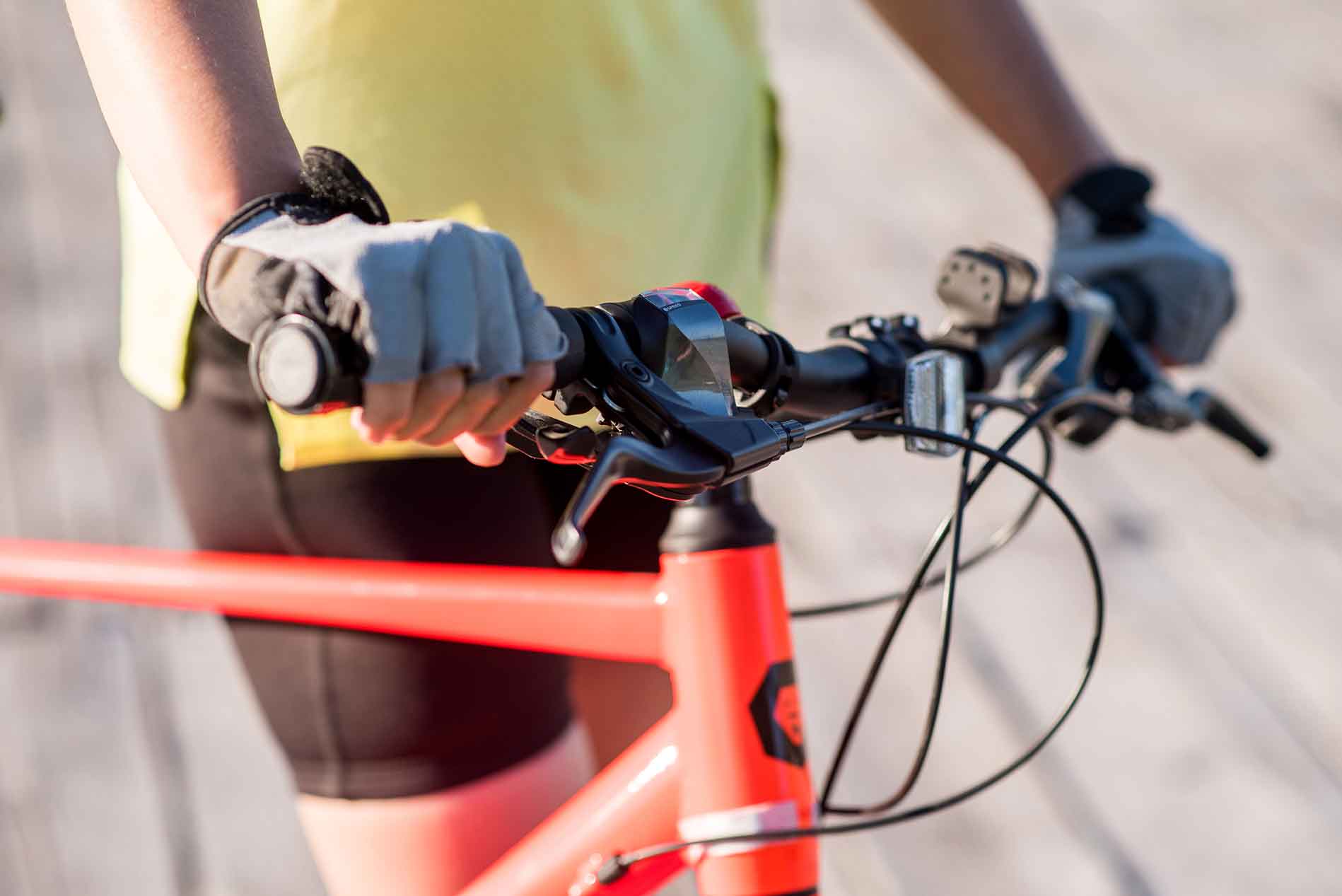
How do I stop my hands from hurting when cycling? Can bike riding cause hand pain? Why do my hands hurt when I cycle? Can cycling cause carpal tunnel?
These are some of the commonly asked questions our practitioners will hear in the clinic if their patient is a keen cyclist. More and more people have taken up riding bikes as a hobby and to get fit. Unaccustomed activity and long periods of exercise can cause problems if equipment is not well set up and made to fit you and your ability. Hand pain can be very debilitating but with a few simple tips you may be able to avoid this discomfort and carry on enjoying the roads on your bike. At Blackberry Clinic our practitioners are experienced in diagnosing and treating this kind of hand pain so don’t delay, make an appointment at a Blackberry Clinic near you and get back on your bike!
THE INJURY
Hand pain in cyclists falls into two different categories – numbness and tingling down the outside of the hand or the same sensation affecting the thumb and middle of your hand. It depends on the nerve which is compressed.
‘Handlebar palsy’ is a name given to a condition suffered by cyclists caused by compression of the ulnar nerve at the wrist, against the handlebar. It is also due to hyperextension of the wrist and nerve, sustaining a poor position for prolonged periods of time. Frequently it develops over long rides, and is not just due to the pressure from your body weight but also the transmission of road ‘buzz’ and vibration through the bars.
Ninety two percent of cyclists on long multistage rides experience hand pain with motor and sensory symptoms. Symptoms include numbness, tingling and weakness along the outside of the hand, little finger and outer half of the ring finger. A feeling of clumsiness in the hand is often reported and you may experience pain when moving the wrist. This could affect your ability to brake hard or change gears.
Carpal tunnel syndrome, which is not as frequently talked about, is caused by compression of the median nerve at the wrist. Carpal tunnel syndrome is characterised by numbness or tingling in the thumb, index, and middle fingers or weakness in the hand. A common cause in cyclists is excessive pressure when riding on the bar tops or with flat bars. As with ‘handlebar palsy’, don’t ignore these symptoms, apply the preventative tips below and seek professional medical advice.
MANAGEMENT AND REHABILITATION
If your symptoms are severe and persist off the bike, and you have made all the necessary adjustments that we suggest below, then you probably need extra help. Physical therapy can assist with the prescription of wrist braces that can support your wrist in an optimal position to relieve nerve pressure. Strengthening the forearm muscles and intrinsic muscles in the hand may help support the joint. Importantly neural mobilisation techniques can be used in treatment to improve ulnar and median nerve mobility and relieve symptoms. Nerve mobility stretches and neck stretches can be prescribed for home maintenance.
BODY CONDITIONING TIPS
If your wrist and hand pain occurs off the bike as well as on, then it may be related to other factors such as your desk or computer work. Get advice from your physical therapist about correct ergonomics and work space set up.
BIKE SET UP TIPS
Treat the cause of the problem. In cyclists, this may mean checking the bike set up, often you need to shorten your reach, that way more of your bodyweight is borne by the saddle than your hands.
Your seat may also be too high and your handlebars too low, putting excessive weight through your hands. You should not be leaning any weight through your hands and wrists, check this by riding on flat roads and shallow with your hands only lightly resting on the bars. If you feel you are falling forward, then your position definitely needs checking.
Gel-padded gloves can reduce wrist pressure magnitude by as much as 28%. Padded bar tape with gel or foam inserts underneath can give added cushioning and reduce the pressure on the nerve.
If your bike is well-fitted but you are still having pain, take a look at how you are holding the bars. Consciously relax your hands, soften your elbows and drop your shoulders, and try to avoid gripping the bars too tightly. Your wrists should be relaxed and not overly flexed or extended.
Change your hand position frequently during a ride using the tops of the bars, the hoods and the drops, as each of these aligns your wrist slightly differently and may relieve nerve pressure temporarily.
The information contained in this article is intended as general guidance and information only and should not be relied upon as a basis for planning individual medical
care or as a substitute for specialist medical advice in each individual case. ©Co-Kinetic 2018 Blackberry Clinic 2021