

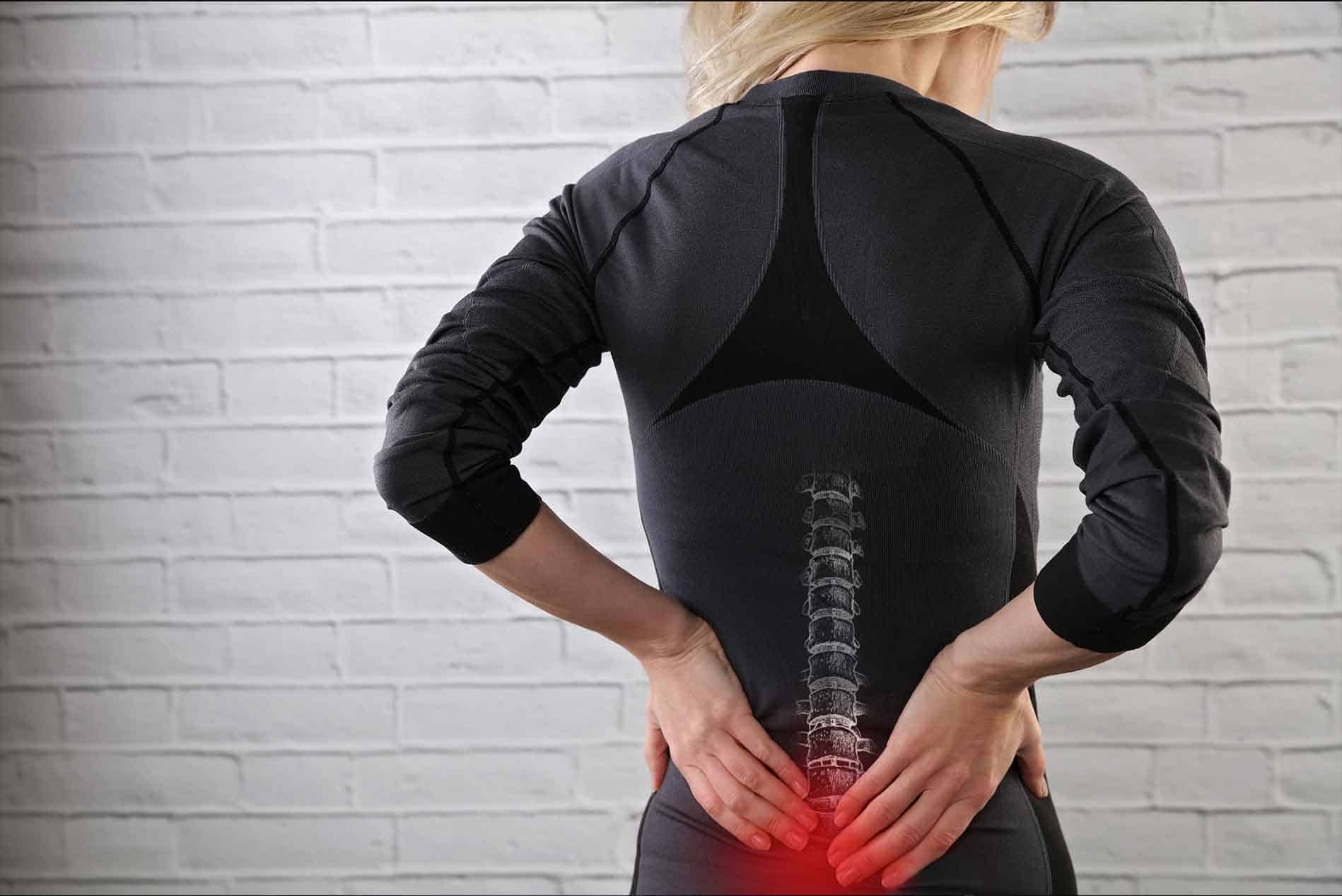
At Blackberry Clinic the most common condition treated by our doctors and therapists is low back pain. Indeed, this is a condition in which we specialise, with experienced doctors and therapists here to help you if you develop back pain. There are a number of different types and causes of back pain, such as discogenic back pain, low back pain, thoracic back pain etc.
There are a number of treatments for back pain available, including manual therapy, manipulation and exercises, Connect Therapy, as well as spinal injections such as epidurals, prolotherapy and other x ray guided injections for acute and chronic back pain. However, all our therapists and doctors strongly believe that prevention is much better than cure, as low back pain can often be debilitating and problematic to manage and cure, especially for those with long standing low back pain over several years.
Jordan Smith, one of our physiotherapists at Blackberry Clinic Milton Keynes, writes here about some simple steps you can take to try to prevent back pain.
Prevention is better than cure – low back pain
It is paramount that we all reduce the risk of developing low back pain in the first place. Simple adaptations and additions to our lifestyles can ensure we minimise this risk and improve our overall quality of life and performance.
Addressing other issues
Prior to starting any form of preventative low back program, it’s crucial to get any underlying injuries and niggles looked at, regardless of its location. This is advisable as anything being swept under the carpet will only amplify when making even the smallest of lifestyle and activity changes. The body is an extremely efficient machine. It will take the easiest route to complete a set task. Unfortunately, the downside to this efficiency is that problematic areas, such as that niggling hip you’ve been having, will take the brunt. Therefore, although your low back may be getting stronger and more flexible, the same may not be said for that hip – so get it checked out!
Strengthening
Introduce some form of strength-based training, whether that be with free weights and resistance machines at the gym, using resistance bands at home, going for a swim or simply cleaning out the shed. It’s important we load our low backs consistently in a controlled, graduated manner in order to strengthen them. By doing so we strengthen the soft tissues such as muscles and ligaments which help stabilise and support our lumbar spine.
Not only will this make you feel better generally, it will improve your ability to perform manual tasks as well as increase your independence. By doing so, we reduce the risk of injuring the low back and therefore having low back pain. We must however stay vigilant, as overloading the low back with poor lifting technique and without graduated flexion exposure (lifting lots with a rounded back) may lead to injury and a subsequent onset of low back pain.
Flexibility
Flexibility is the other main preventative measure required to reduce the chances of getting low back pain. By increasing the flexibility of your low back through its full range of motion, you are allowing the spine, its’ associated joints and the surrounding soft tissue structures to stretch and increase in pliability. A muscle, ligament or joint that has more mobility is less likely to sustain an injury. Therefore, it is crucial to implement a degree of specific flexibility training into one’s exercise program, but also allow the low back to move through its normal arch/rounded positions throughout activities of daily living.
Won’t I cause back pain if I lift with a rounded back?
The answer to this question is a little more complicated than simply a yes or no. Recent evidence in this field has found that lifting technique has no direct correlation to the likelihood of developing low back pain. Graduated exposure to lumbar spine flexion (rounding) has shown to be an effective method of loading the low back and preventing the likelihood of developing low back pain.
However, this research was carried out on elite athletes who have had several years of repetitive exposure to extremely heavy resistance training. For the average individual without specific low back training, the evidence is still inconclusive as to whether lifting with a rounded back increases your likelihood of low back pain onset without the appropriate strength and mobility in the low back.
If you have a job that requires lifting it is important that you follow the advice given by any mandatory training you have done for lifting and handling. In daily life, the best advice is don’t lift anything heavy without help!
Get on top of low back pain before it gets on top of you!
Jordan Smith
Physiotherapist, Blackberry Clinic Milton Keynes