

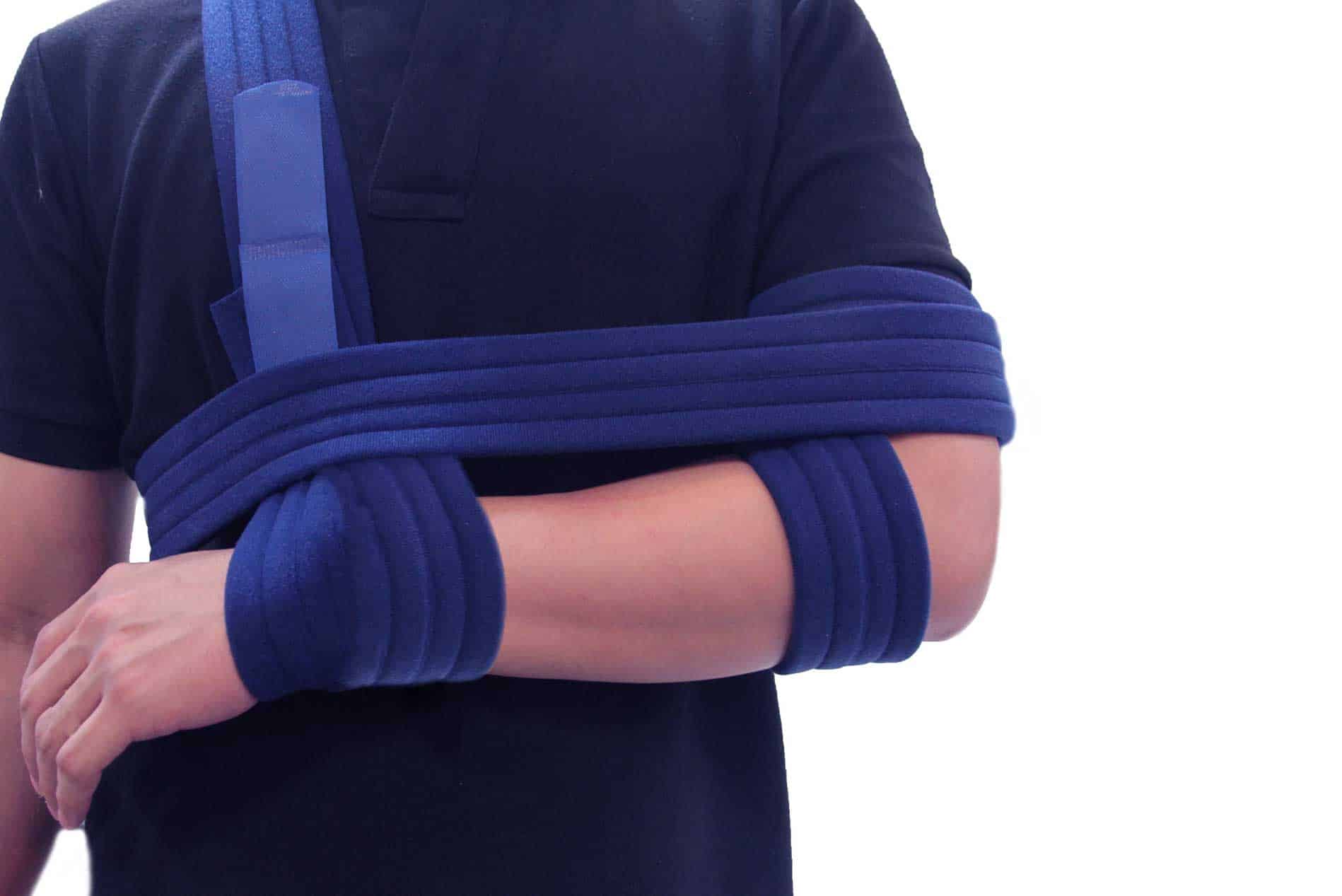
Jordan Smith, one of our physio team at Blackberry Clinic Milton Keynes, explains what shoulder subluxation is and what to look out for if you have injured your shoulder. At Blackberry Clinic we treat all parts of the body and are experts in diagnosis and treatment for this type of condition. Make an appointment at one of our 12 Blackberry Clinics if you have a painful musculoskeletal condition or sports injury needing treatment. Read this testimonial from a patient with an injured shoulder : click here.
Shoulder Subluxation
Shoulder (glenohumeral) subluxation is defined as a partial or incomplete dislocation that usually stems from changes in the mechanical integrity of the joint. In a subluxation, the humeral head slips out of the glenoid cavity (socket) as a result of weakness in the rotator cuff or a blow to the shoulder area. A subluxation can occur in one of three types: anterior (forward), posterior (backward), and inferior (downward). The difference with a shoulder dislocation is the fact that the humeral head pops back into its socket, either by itself or with external help via a technique called reduction.
The shoulder joint permits the greatest range of motion of any joint. However, this means it sacrifices stability and is therefore at the greatest risk of dislocation. Those at greater risk of shoulder subluxations are individuals who play in contact sports such as rugby and wrestling as well as those who have suffered a hemiplegic stroke.
Signs and symptoms to look out for:
· Instability in the shoulder when reaching or lifting
· Pain
· Inability to get comfortable or lie on one side
· A feeling it will “go again”
· Partial weakness/numbness in the shoulder, arm and hand
· A small dip on the side of the shoulder
If not addressed properly in a timely manner, shoulder subluxations can become disabling and cause more long-term issues for the shoulder. This is as a result of increased laxity or direct damage to the soft tissues supporting the shoulder. This also means that once you have sustained either a subluxation or dislocation, you are at increased risk of repeating this further down the line; this is particularly true within the first few days.
If you suspect you have sustained a shoulder subluxation, it is strongly advised you seek professional advice from a specialist practitioner such as one of our team here at the Blackberry Clinic. They can provide an accurate diagnosis and subsequent treatment plan.