

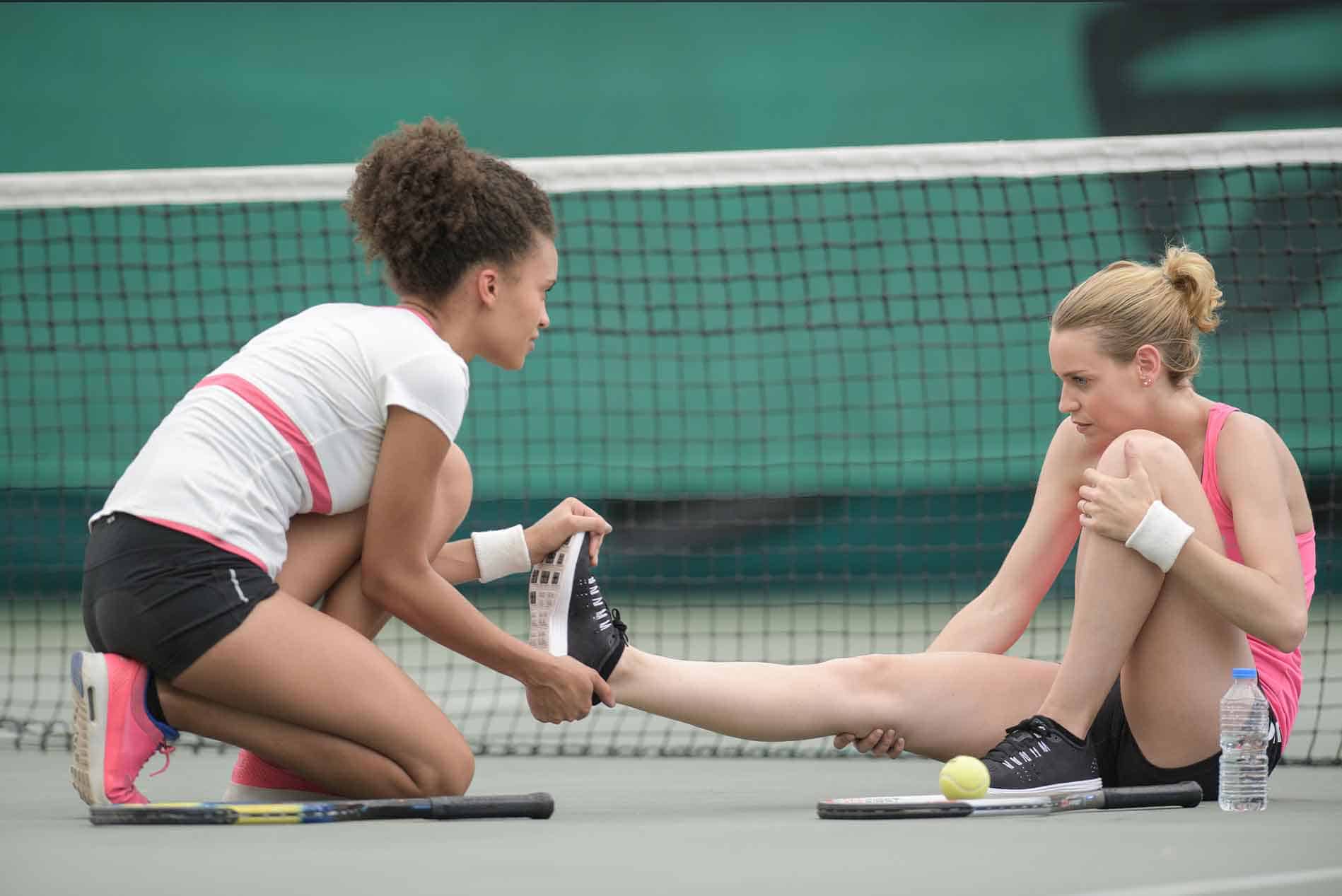
Elevation of the injured area above the level of your heart will help to maximise the fluid drainage away from the injury. Keep the injured area (leg/arm) comfortable and supported with pillows or a stool whilst doing this to help the area relax.
Elevating the area to take the weight or pressure away from the injury may benefit in the early days of injury in reducing the nociceptive (pain) messages from the area and reducing the activity of the inflammatory (swelling) process.
There is however no guidance from current research, on how long to leave the arm or leg in an elevated position. The general advice here is to check that swelling is reducing, or the injury is feeling more comfortable with the limb elevated.
You should not experience increasing pin & needles or numbness in this position. If you do, reposition the leg/arm or consult a medical professional.
Disclaimer: All advice given here is general and does not relate to the specific requirements of your medical health. If you are unsure, consult your medical professional or a Physiotherapist.
Summary
If an injured area is loaded beyond its physiological capacity, an increase in inflammation (swelling) is a protective response to prevent further injury.
Some inflammation can therefore be good to protect the injured area.
However, 2 days after an injury you should work harder at reducing the inflammation using some of the principles of RICE.
As we have discussed over the last 4 days, the principles that are most applicable for reducing swelling are: relative rest, ice and elevation. Another option to be discussed with your Doctor, is the use of anti-inflammatory medication.
Jo Lamplough, Senior Physiotherpist, MSc, BSc (HONS), MACP, MCSP.