

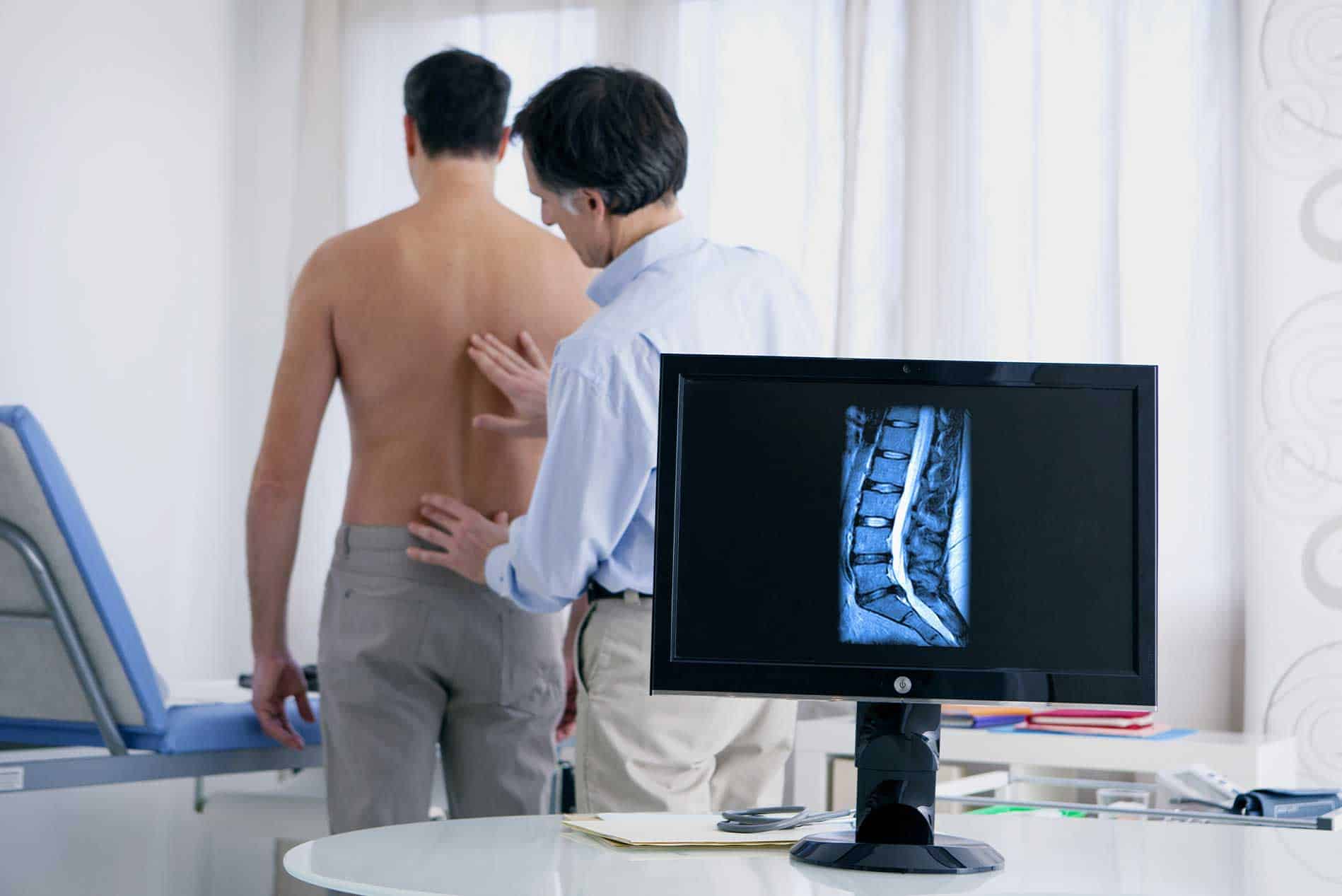
How do I know if I have a slipped disc? This is a question patients ask our SEM and MSK doctors and physios when they come to see us suffering from back pain or sciatica. To get a full picture and accurate diagnosis it can often be helpful to have an MRI which we can arrange for you. But if you don’t want to go down that diagnostic imaging road here are some symptoms you can look out for.
10 Symptoms of a Slipped Disc: What You Need to Know
A slipped disc, also known as a herniated or ruptured disc, can be a source of excruciating pain and discomfort. Understanding the symptoms of a slipped disc is crucial for early diagnosis and effective treatment. In this article, we will explore the 10 common symptoms associated with this condition.
1. Intense Back Pain:
One of the primary symptoms of a slipped disc is intense, localized back pain. This pain can be sudden and severe, often worsening with movement or when lifting heavy objects.
2. Radiating Pain:
The pain doesn’t always stay confined to the back. It can radiate into the arms or legs, following the path of the affected nerve, resulting in what’s often called radiculopathy.
3. Numbness and Tingling:
Slipped discs can compress nerves, leading to sensations of numbness and tingling, often referred to as “pins and needles.”
4. Muscle Weakness:
Weakness in the muscles served by the affected nerves is a common symptom. It can result in reduced grip strength or difficulty lifting objects.
5. Pain Aggravated by Movement:
Pain is often exacerbated by certain movements or positions, such as bending, twisting, or sitting for extended periods.
6. Pain While Coughing or Sneezing:
Coughing, sneezing, or straining can intensify the pain due to increased pressure on the affected disc.
7. Limited Range of Motion:
Individuals with a slipped disc may experience a reduced range of motion in the spine, making it challenging to perform everyday activities.
8. Sciatica:
A slipped disc in the lower back can compress the sciatic nerve, causing pain that radiates down one leg, often termed as sciatica.
9. Bowel or Bladder Dysfunction:
In severe cases, a slipped disc can lead to loss of bowel or bladder control. This is a medical emergency requiring immediate attention.
10. Muscle Spasms:
Muscle spasms in the affected area can occur, causing sudden, painful contractions of the surrounding muscles.
It’s important to remember that symptoms can vary from person to person, and some individuals may experience a combination of these symptoms. If you suspect you have a slipped disc or are experiencing any of these symptoms, it’s crucial to consult a healthcare professional for an accurate diagnosis and a tailored treatment plan. Early intervention is key to preventing further damage and managing the condition effectively.