

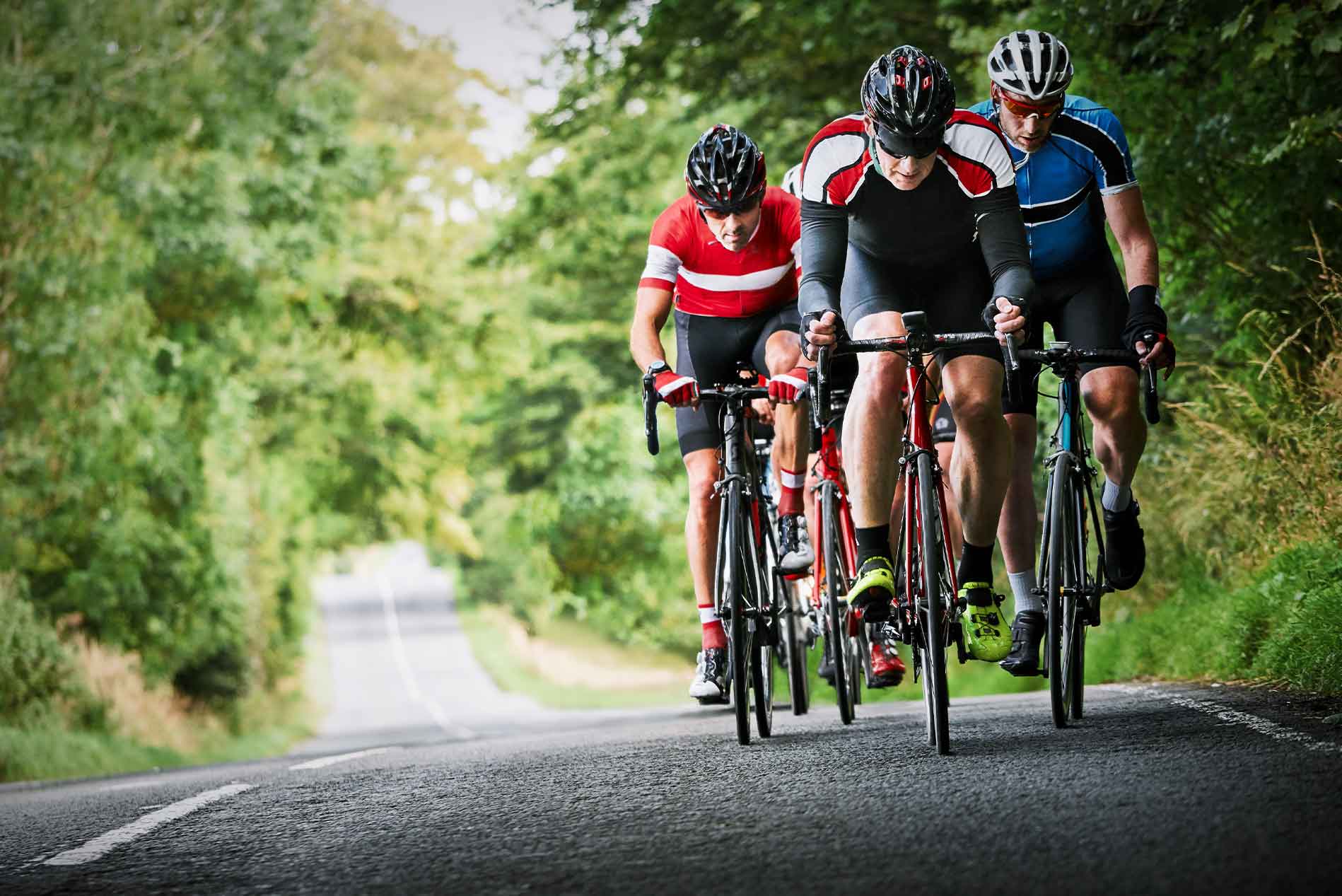
At Blackberry Clinic we treat cycling injuries and offer tips for a safer ride! Avoiding injury is key to enjoyment of the sport! Book in to see one of our Blackberry Clinic experts if you have a cycling injury or want some expert advice on how to avoid cycling injury! All the cycling injuries listed below can be treated by physiotherapy and if necessary, one of our Sport and Exercise Medicine Doctors.
Cycling is an exhilarating and environmentally friendly way to stay fit and explore the world around us. However, just like any physical activity, it comes with its own set of risks, and injuries are not uncommon among cyclists. Whether you’re a seasoned rider or a beginner, understanding common cycling injuries and following essential safety guidelines is crucial to ensure a safer and more enjoyable ride. In this blog, we’ll delve into some prevalent cycling injuries and provide expert advice to prevent them.
- Knee Pain: Proper Bike Fit and Pedalling Technique
Knee pain is a frequent complaint among cyclists, often caused by overuse, improper bike fit, or incorrect pedalling technique. To prevent knee pain:
- Get a professional bike fitting to ensure your bike is adjusted to fit your body proportions correctly.
- Pay attention to your pedalling form, maintaining a smooth and circular motion instead of pushing too hard on the pedals.
- Gradually increase your cycling intensity and duration, allowing your knees to adapt to the stress gradually.
- Lower Back Pain: Strengthen Your Core
Long hours on the bike can lead to lower back pain, especially if your core muscles are not strong enough to support your spine. Here is what you can do:
- Incorporate core-strengthening exercises, such as planks and bridges, into your regular workout routine.
- Stretch your lower back before and after cycling to improve flexibility and reduce muscle tension.
- Adjust your bike’s saddle height and angle to achieve a more natural and comfortable riding position.
- Wrist and Hand Discomfort: Proper Hand Placement
Cyclists often experience wrist and hand discomfort due to the continuous pressure placed on these areas while holding the handlebars. To alleviate this issue:
- Grip the handlebars firmly but avoid clenching too tightly, as this can strain your hands and wrists.
- Change hand positions frequently while riding to distribute pressure and provide relief to different areas.
- Consider using padded handlebar tape or gloves with extra cushioning to reduce impact and vibrations.
- Muscle Strains and Sprains: Warm-up and Cool Down
Muscle strains and sprains can occur when riders do not properly warm up or cool down before and after cycling. Here is how to prevent them:
- Start each ride with a gentle warm-up, such as five minutes of easy pedalling, to increase blood flow to your muscles.
- Stretch major muscle groups, especially your hamstrings, quadriceps, and calves, after your ride to maintain flexibility and reduce post-cycling stiffness.
- If you feel fatigued during a ride, listen to your body, and take breaks when needed to avoid overexertion.