

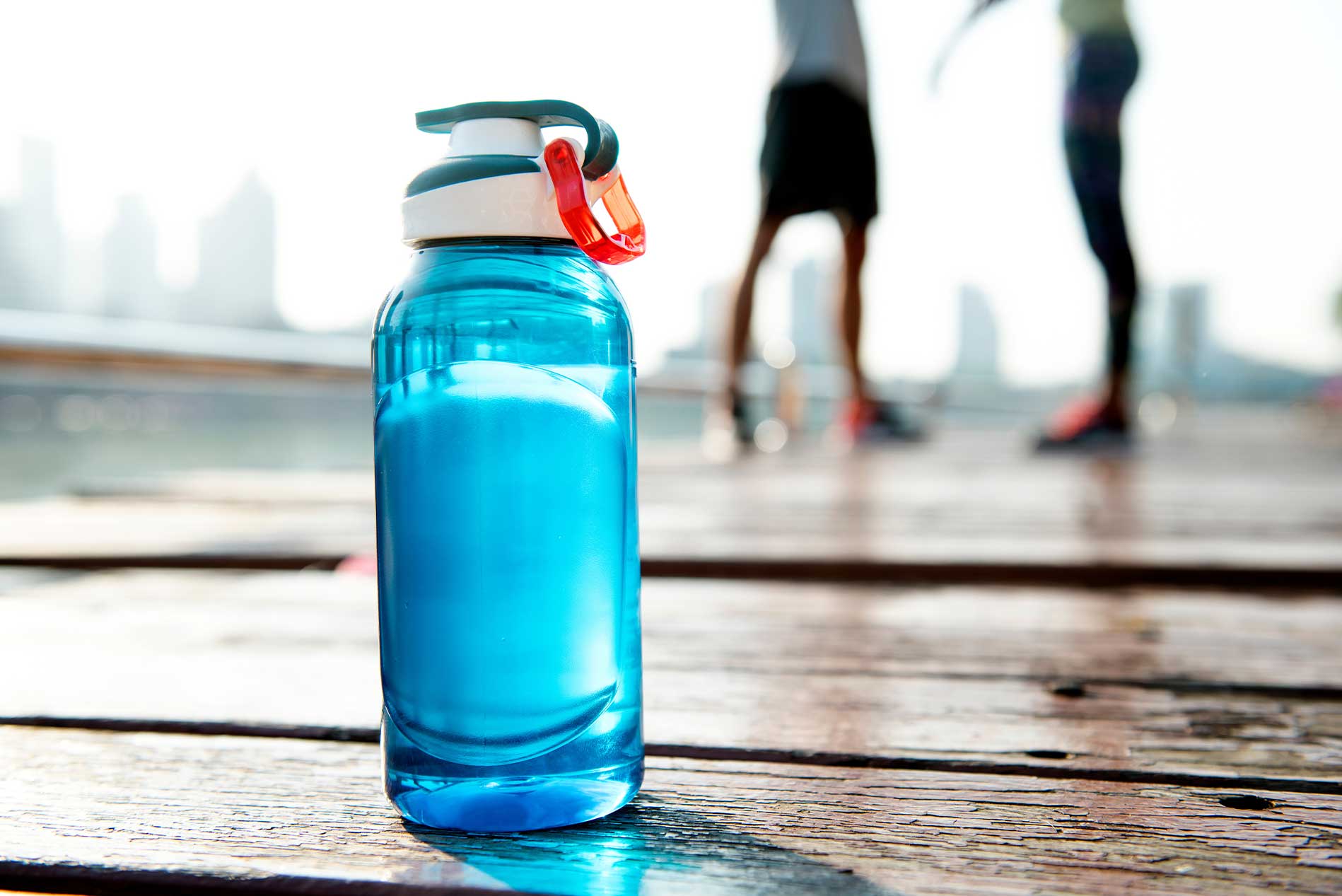
At Blackberry Clinic we treat a lot of sports injuries that maybe could have been prevented with some advice re training and how to avoid injury. It is not just proper preparation of joints and muscles by stretching and warming up that can help, there is evidence that one of the key components of injury prevention is WATER! Here is a blog prepared by one of our physio team explaining the science behind injury prevention and hydration.
Most of us realise the importance of hydration to exercise optimally. However, did you know that proper hydration is also a crucial part of injury prevention? We all need to stay hydrated to stay healthy. But if you’re active or athletic, hydration is even more important because you’re losing water to sweat. If you hope to avoid injury, replacing water and electrolytes needs to be a pillar of your sports training routine.
Benefits of hydration
Hydrating during exercise is not optional; water is a nutrient necessary to survival. A fully hydrated body is about 60-65% water.
Even losing just 1% of your body’s water content to sweat when you work out can put you at risk for illness and injury, particularly in hot or humid weather.
Over the long term, not drinking enough water on a daily basis can have multiple negative effects on your health.
Keeping a proper fluid balance in your body:
● improves circulation
● regulates body temperature
● helps control cholesterol levels
● improves brain function
● supplies nutrients and oxygen to your cells
● flushes the kidneys, bladder, and gut of toxins and bacteria
● promotes proper digestion and absorption of nutrients
● moisturizes the skin and mucous membranes
● aids weight management and can contribute to weight loss
Under-hydrating can throw all of those systems off balance, which can lead to problems with your heart, your digestion, your nervous system, and your endocrine system.
Dehydration symptoms and side effects
How will you know if you’re dehydrated? The first symptom is thirst. If you’re thirsty, you’re already dehydrated.
Symptoms of dehydration include:
● Dryness of the lips, mouth, or tongue
● Reduced energy or apathy
● Decreased or infrequent urination with small volume of urine or dark urine
● A sudden decline in mood, strength, coordination, or the ability to make decisions
Many people don’t realize that hydration affects the musculoskeletal system, as well.
How dehydration affects muscles and joints
● Cramps. Your body needs both water and electrolytes (sodium, potassium, magnesium, calcium, and chloride) to support normal muscle contractions. When you sweat heavily during workouts, you lose both, causing cramps.
● Cartilage wear. Water and electrolytes are essential to delivering nutrients that help cartilage repair itself when it’s injured. If you stop drinking water, the wear and tear on your cartilage (especially your knees) outpaces the body’s ability to generate new cells. Injuries like cartilage tears and meniscus tears can result.
● Friction in the joints. Cartilage is made of collagen, proteins, cells, synovial fluid, and water — up to 80% water. This water and synovial fluid cushions your bones when they bear weight or pressure.
How to hydrate to avoid injuries
The importance of hydration for athletes and runners (especially marathon and road race runners) cannot be overstated: if you’re exercising vigorously or playing sports, especially in a hot or humid climate, you need to drink enough water to keep your body functioning.
Failing to stay hydrated can hinder your sports performance. Even losing just 1% of your body’s water content to sweat and dehydration can make you less effective as an athlete.
You may experience headaches, mental confusion, and fatigue.
Making fast decisions gets harder when you’re dehydrated, too, and that can put you in harm’s way.
(Example: if you’re not thinking clearly, it may be hard to dodge a football tackle or jump over an obstacle during a road race.)
Your biggest danger from dehydration, however, is heat illness.
Dehydration — especially in hot weather — puts you at risk for serious harm from an acute heat injury. If you don’t replace the water and salt you lose through sweat, your body cannot regulate its temperature, which can lead to:
● Heat cramps in the stomach, arms, or legs.
● Syncope, characterized by fatigue, weakness, and fainting. This condition is caused by overexerting yourself in hot weather. Syncope can become serious and turn into heat stroke if left untreated.
● Heat exhaustion, which can lead to a sudden increase in core body temperature, up to 104 degrees. Heat exhaustion happens when you lose too much water or salt (or both). You may stop perspiring and experience thirst, headaches, dizziness, weakness, nausea and vomiting, muscle cramps, or even unconsciousness.
● Heat stroke. Heat stroke is severe and constitutes a medical emergency. The body can no longer cool itself, which can lead to core body temperatures exceeding 104 degrees. Heat stroke can cause nausea, seizures, confusion or disorientation, unconsciousness, and at its most serious, organ failure. It does not always present with clear symptoms, but it can be preceded by syncope or heat exhaustion.
If you experience any of the above symptoms, take immediate action to cool your body:
● Stop exercising.
● Get out of the heat.
● Stretch gently (if you have cramping).
● Replace your fluids right away with an electrolyte drink or water.
● Loosen your clothing if possible.
● Apply cool packs or wet towels to lower your body temperature.
If you are exercising 60 to 90 minutes or longer in hot weather, drink fluids throughout your workout and pay careful attention to your body.
If you participate in physical activity and need further advice and guidance with implementing injury prevention measures, our practitioners here at Blackberry Clinic can provide this!