

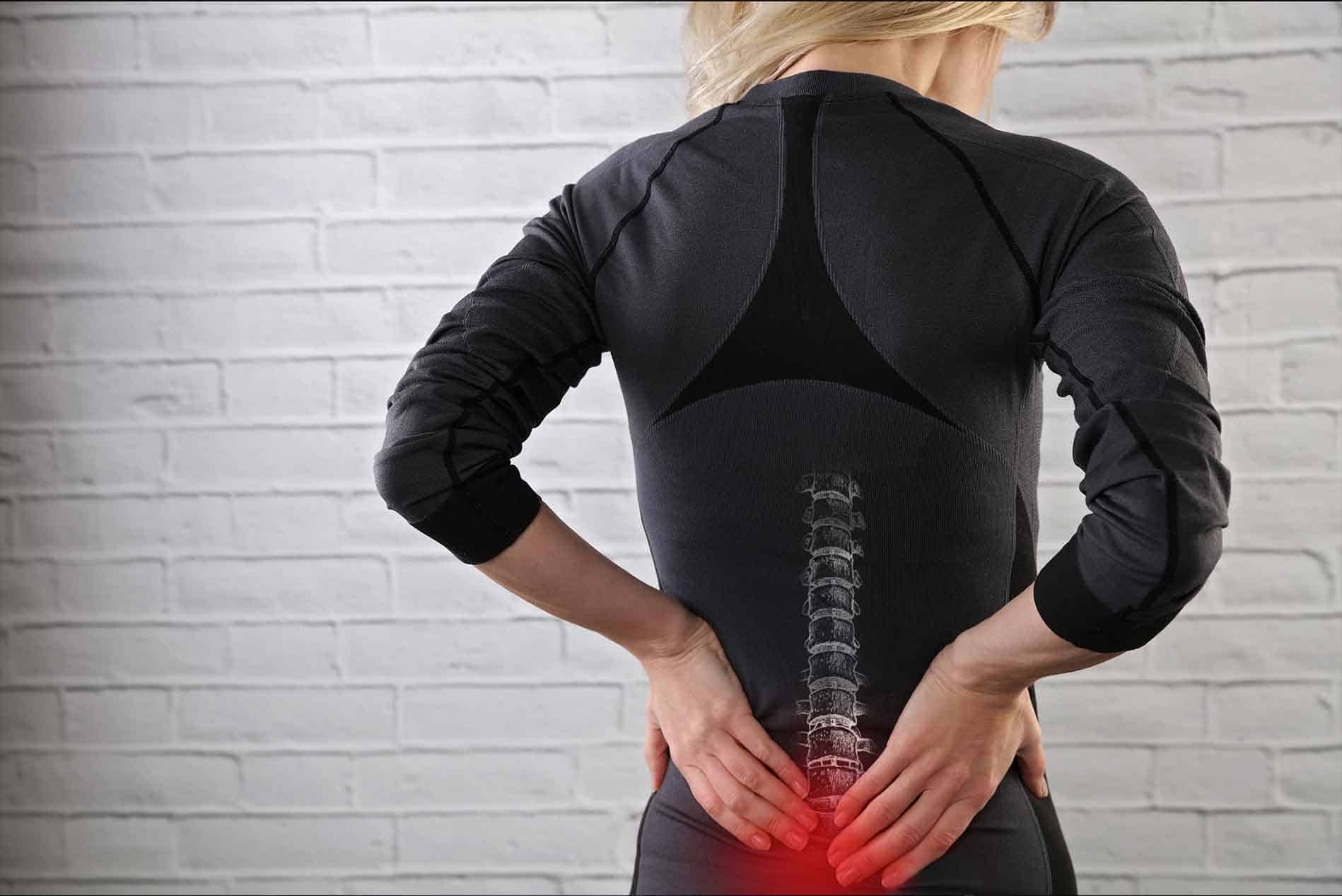
Spotlight on Chronic Low Back Pain: WHO guidelines for Chronic low back pain
In December, the World Health Organization (WHO) released its first-ever guidelines on managing chronic low back pain (LBP) in primary and community care settings, listing interventions for health workers to use and also to not use during routine care.
The guideline reports that low back pain is the leading cause of disability globally. In 2020, approximately 1 in 13 people, equating to 619 million people, experienced LBP, a 60% increase from 1990. Cases of LBP are expected to rise to an estimated 843 million by 2050, with the greatest growth anticipated in Africa and Asia, where populations are getting larger and people are living longer.
Four guiding principles were used to create the recommendations for care, and those are:
- Care must be holistic and person centered.
- Care must be provided equitably regardless of age, gender, socioeconomic status, ethnicity, area of residence, health literacy and economic development of their place of residence.
- Care provided should be non-stigmatizing and non-discriminatory.
- Care should be integrated and coordinated across all levels of care and health workers with attention to comorbid conditions and social care needs
What were the main recommendations for the non-surgical treatment of chronic low back pain?
- Education – Structured and standardized education and/or advice
- Physical Interventions
- Structured exercise therapies/programmes
- Needling therapies
- Spinal manipulative therapies
- Massage
- Psychological interventions
- Operant therapy
- Cognitive behavioral therapy
- Medicines
- Non-steroidal anti-inflammatory drugs
- Topical Cayenne pepper
- Multi-component Interventions
- Multi-component biopsychosocial care
The guidelines also outline 14 interventions that are not recommended for most people in most contexts. These interventions should not be routinely offered, as WHO evaluation of the available evidence indicate that potential harms likely outweigh the benefits. WHO advises against interventions such as:
- lumbar braces, belts and/or supports;
- some physical therapies, such as traction (i.e. pulling on part of the body);
- and some medicines, such as opioid pain killers, which can be associated with overdose and dependence.
The guidance states that the recommended interventions outlined in the guideline are intended to be implemented by countries as a suite of evidence-based intervention options to support adults with Chronic Primary Low Back Pain.
Manual therapies such as Chiropractic, Osteopathy and Physiotherapy are really well placed to provide first line care for those suffering with Chronic Primary, Low Back Pain.
The WHO guidelines can be found at https://www.who.int/news/item/07-12-2023-who-releases-guidelines-on-chronic-low-back-pain#cms