

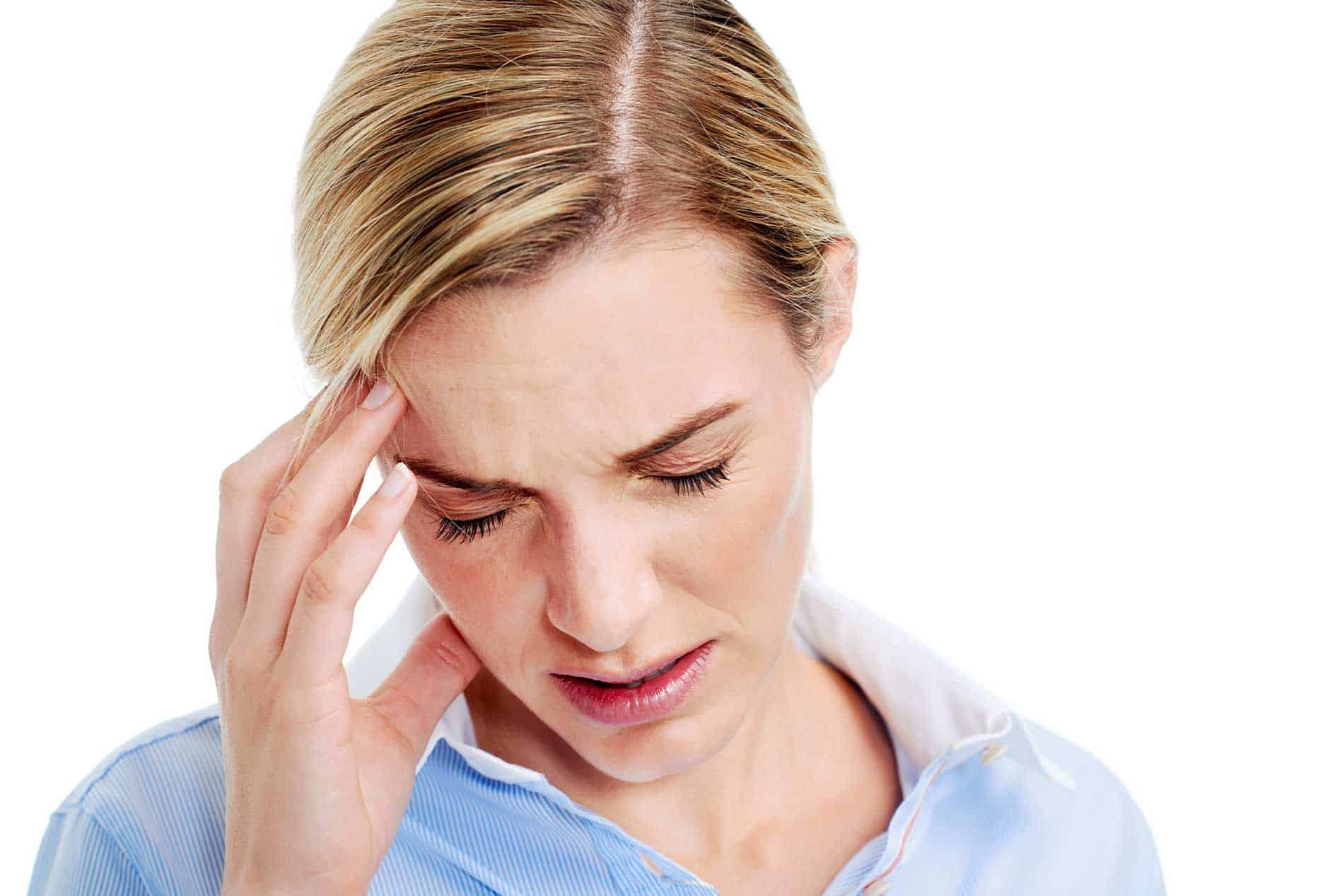
Yes! Exercise does help with mental stress. Mental stress can impact our daily lives, affecting our physical and emotional wellbeing. While there are many ways to manage mental stress, exercise and physical activity are highly effective in reducing stress levels. It can boost your mental health through both the release of mood-boosting chemicals as well as creating opportunities for socialisation, reduce muscle tension and help you to sleep better.
Benefits of Exercise for Managing Stress
Physical activity offers many physical and mental health benefits, but it is particularly effective for aiding in stress reduction. Exercise releases endorphins, which are natural mood-boosting chemicals that can help reduce feelings of anxiety and depression. It also helps reduce muscle tension, which is a common symptom of stress. Regular exercise can also improve sleep quality, which can help reduce stress levels.
Types of Exercise for Managing Stress
Every type of exercise or physical activity can help reduce stress levels, but some types may be more effective than others. Aerobic exercise where your heart rate increases, such as brisk walking, running, cycling or swimming, has been shown to be particularly effective in reducing stress levels as this triggers the release of those mood-boosting endorphins. Yoga and Pilates are also very effective in reducing stress levels, as they focus on breathing and relaxation techniques.
Resistance training, such as weight lifting, can also be effective in reducing stress levels, as it helps release tension in the muscles. The main thing is to get started somewhere. Exercise and physical activity are powerful tools for managing stress and improving your overall wellbeing.
By engaging in regular physical activity, you can reduce stress levels, boost mood, improve sleep quality, and enhance physical health. Remember, the key is to find physical activities that you enjoy and that fit into your lifestyle. Whether it’s walking, dancing, swimming, or practicing yoga, there are plenty of options to choose from.
So why not make a commitment to move your body more and make stress management a part of your daily routine? With time and practice, you can learn to use exercise as a positive coping mechanism and experience the many benefits of an active, healthy lifestyle.
Remember, managing stress is an ongoing process, and exercise is just one tool in your toolbox. Combine exercise with other stress management
techniques, such as relaxation techniques, mindfulness, time management, social support, and healthy habits, for the best results.
Starting and maintaining an exercise routine can be challenging, particularly if you are not used to regular physical activity, so here are some tips to help you get started:
- Start slowly: If you are new to exercise, start slowly and gradually
increase the intensity and duration of your workouts. Aim for at least
30 minutes of exercise per day, most days of the week. - Choose activities you enjoy and that fit your lifestyle. This will help
you stick to your exercise routine and make it more enjoyable. - Mix it up: Variety is key to maintaining an exercise routine so
incorporate different types of exercise and activities where you can. - Find an exercise buddy: Working out with a friend or family member
can help you stay motivated and committed to your exercise routine
plus there is the added benefit of the social support which helps to
boost mental health. - Make it a habit: Try and include exercise within your daily routine.
Schedule your exercise time at the same time each day and treat it as
an important appointment that can’t be missed. - Set realistic goals and celebrate your progress along the way. This
will help you stay motivated and committed to your exercise routine. - Anticipate hijacking: think about what might happen to stop you
doing your exercise and come up with ways to stop that hijacking
happening ahead of time so when it does, you know exactly how to
stop it in its tracks. - Listen to your body: It is important to listen to your body
and avoid pushing yourself too hard. If you feel pain or
discomfort, take a break or modify your exercise.