

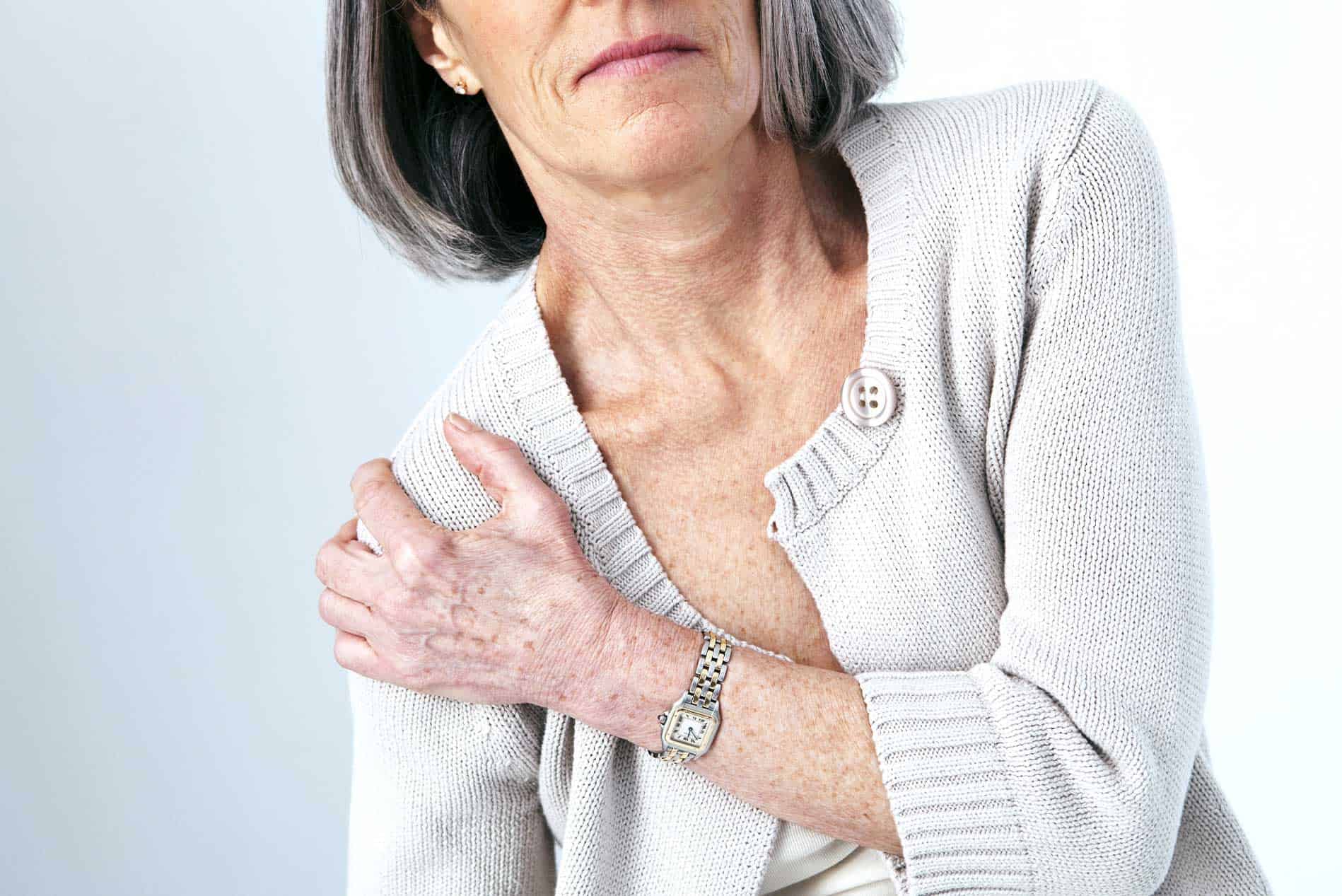
An interesting article on the treatment pathway for frozen shoulder was published recently in the British Journal of Sports Medicine. Dr Irfan Ahmed (Sport and Exercise Medicine Consultant) was one of the contributing authors along with Rifat Hassan, Lynsey Abbey Joslin, Peter Resteghini, Hozefa Dahodwala, Dr Sadiq Bhayani, Dr Imran Lasker and Mr Niel Kang. Dr Ahmed is available to see patients at Blackberry Clinic Milton Keynes.
At Blackberry Clinic we offer treatment for frozen shoulder, including hydrodilatation (hydrodistension/high volume) injections, physiotherapy, exercises and stretches. A consultation with a Sport and Exercise Medicine Doctor or Musculoskeletal Medicine doctor will ensure an accurate diagnosis of the condition and a treatment plan can be implemented.
Here are some facts below about frozen shoulder found in the article and we encourage you to read the full article by clicking here.
FROZEN SHOULDER FACTS (ref The MSK Playbook – Frozen Shoulder Edition from BJSM)
- Frozen shoulder is classified as either primary or secondary:
- Primary: spontaneous onset with no known cause or trauma.
- Secondary: associated with trauma, prolonged immobility, surgery or other pathology, such as sub-acromial pain (2).
- It is characterised by fibroproliferative tissue fibrosis (formation of scar tissue, adhesions and capsular thickening) (2,3).
- Frozen shoulder has an incidence of 3-5% in the general population (4), which may be as high as 20% in individuals with diabetes (5).
- Frozen shoulder often has a varying presentation, with evolution of symptoms over time.
- Typically, it is a self-limiting disease that resolves within 1-3 years, although 20-50% of patients may develop chronic symptoms (3).
- Up to 6% of patients report severe symptoms >7 years after symptoms begin (6).
- In up to 17% of cases, patient can have symptoms in the other shoulder within 5 years (2).
Risk factors (3)
- Female (higher incidence compared to males)
- 40–59-year-olds
- Metabolic factors, such as diabetes, thyroid disorders & hyperlipidaemia
- Preceding trauma
- Prolonged immobilisation of the glenohumeral joint
- Other comorbidities, such as cerebrovascular disease, coronary artery disease, neurological conditions, autoimmune conditions, ankylosing spondylitis & Dupuytren’s disease.
You can read more of Dr Irfan’s blogs (Twitter: londonsportsdoc @exerciseirfan or follow him on twitter by clicking here)