

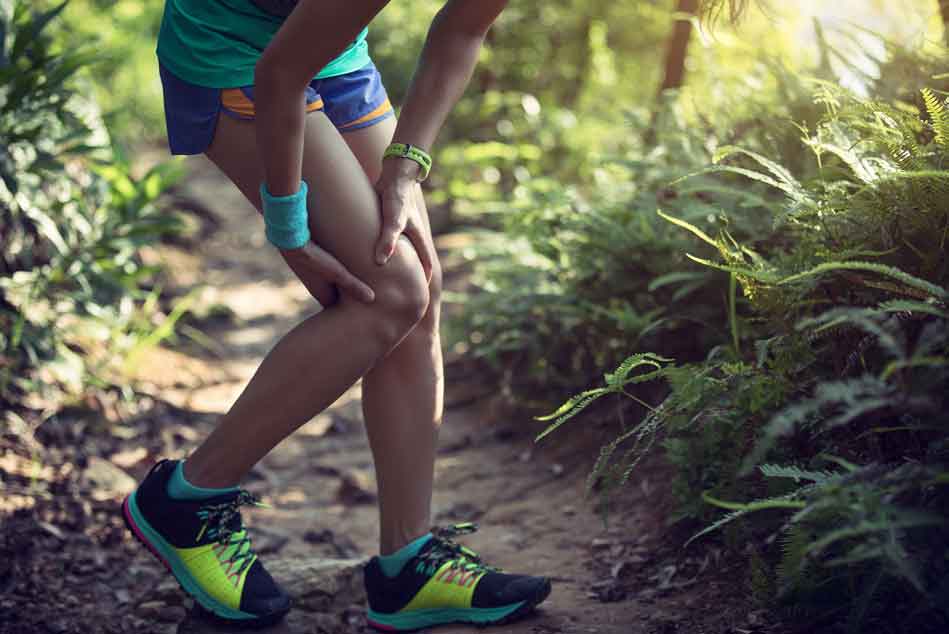
The symptoms and causes of a torn meniscus include pain and swelling, but these can be caused by other knee injuries too. At Blackberry Clinic our doctors and physios will help you to find out if you have a torn meniscus in your knee.
Where in the knee are the menisci? The menisci sit between the tibia (lower leg bone) and the femur (thigh bone) and protect the lower part of the leg from the shock created by our body weight. The medial meniscus sits on the inside of the knee and the lateral meniscus sits on the outside of the knee.
Meniscus tears usually take place when an athlete twists or turns their upper leg while their foot is planted and their knee is bent.
Meniscus injuries can be a source of debilitating knee pain and discomfort. Whether you’re an athlete or lead an active lifestyle, it’s crucial to be aware of the causes, symptoms, and treatment options for meniscus injuries.
Causes: Meniscus injuries and torn meniscus are commonly caused by trauma or sudden injury, such as forceful twisting or direct impact on the knee joint. Degenerative changes can also make the meniscus more susceptible to tears over time.
Symptoms: Symptoms of a meniscus tear may be different for each person, but some of the most common symptoms are:
- Pain in the knee joint: usually on the inside (medial), outside (lateral) or back of the knee
- Swelling
- Catching or locking of the knee joint
- Inability to fully extend or bend the knee joint
- Limping
The symptoms of a meniscus tear are similar to other medical conditions or problems. Always see your health care provider for a diagnosis.
Diagnosis: If you suspect a meniscus injury, consult with an orthopedic specialist for an accurate diagnosis and appropriate treatment. Early intervention is crucial.
If a meniscal tear is suspected, your physio or sport and exercise medicine doctor at Blackberry Clinic will conduct a thorough health history and evaluation of the knee and may also order X-rays and magnetic resonance imaging (MRI) to confirm the diagnosis and further evaluate the knee joint:
X-ray
An X-ray is a diagnostic test that uses invisible electromagnetic energy beams to produce images of internal tissues, bones, and organs onto film. When a standard X-ray is not accurate enough, a joint X-ray with contrast dye may also be used to examine joints such as the knee or hip.
MRI
An MRI is a diagnostic procedure that uses a combination of large magnets, radiofrequencies, and a computer to produce detailed images of organs and structures within the body; can often determine damage or disease in a surrounding ligament or muscle.
Recovery: Treatment options vary based on the severity of the tear and individual circumstances. They can range from conservative measures like rest, ice, and physical therapy to surgical intervention, such as arthroscopy.
Specific treatment for a meniscus tear will be determined by your doctor based on:
- Your age
- Your overall health and medical history
- How bad your injury is
- How well you can tolerate specific medications, procedures, and therapies
- The length of time it will take to heal
- Your opinion or preference
Treatment may include:
- Icing
- Medication, such as ibuprofen
- Muscle-strengthening exercises
- Arthroscopic surgery
By understanding the causes and symptoms of meniscus injuries, you can take proactive steps to protect your knees and seek timely medical attention if needed. Remember, early detection and treatment can lead to a successful recovery and a return to an active, pain-free life.
At Blackberry Clinic our expert doctors and physios can treat the symptoms of meniscus injury with a programme of strengthening exercises and other treatments. If necessary, they can order an MRI and refer you to a surgeon for an opinion as to whether you would benefit from surgery or not.
Many meniscus injuries are managed conservatively (without surgery) with good outcomes but each case is different so it is important to make sure you have a full assessment and all the information about your condition before the decision is made whether to have surgery or not.
Our team will also be there to help you with ‘pre hab’ before your surgery and rehab after your surgery as you will need a lot of help and support to make a full recovery and get back to doing all your favourite activities.
Give us a call if you need some advice about your knee!