

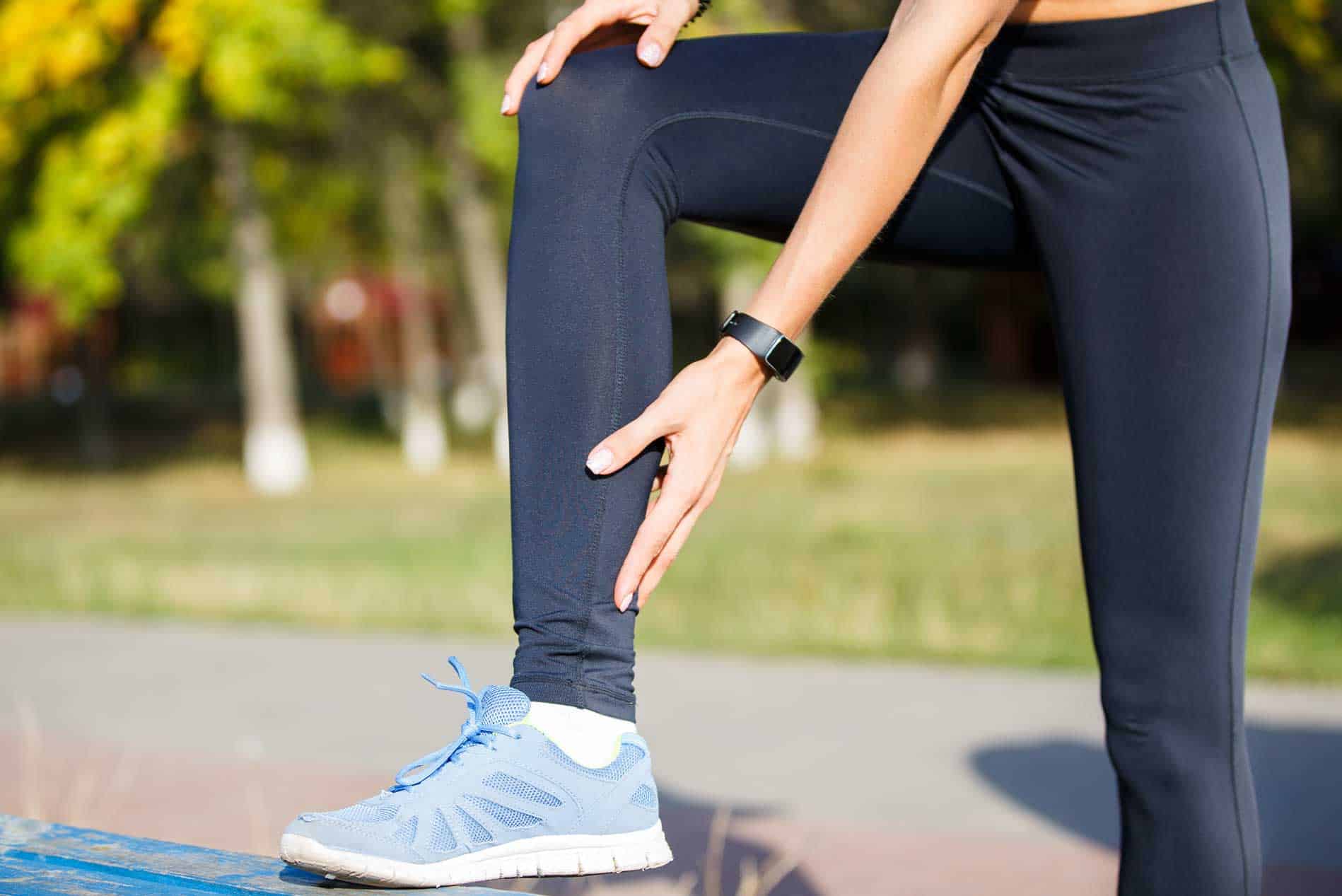
This question -What is the fastest way to heal Achilles tendonitis? – is one that gets asked frequently at Blackberry Clinic. Achilles tendonitis can be a frustrating injury, either a niggle or more severe symptoms can both be enough of a pain to keep you off your sport and leisure activities for some time. If you delay seeking advice and treatment it could mean that your achilles tendonitis becomes a chronic condition which could be harder to get rid of and more likely to reoccur in the future. So it is important to take steps towards recovery and rehab.
Here we explain the causes and symptoms and give some tips on how to avoid Achilles tendonitis in the first place.
Achilles tendonitis – causes, prevention, and treatment
Achilles tendonitis is a common condition that affects the Achilles tendon, which connects the calf muscles to the heel bone. This condition is caused by overuse or repetitive strain on the Achilles tendon, resulting in pain, swelling, and stiffness in the affected area. If you’re experiencing Achilles tendonitis, there are steps you can take to prevent and treat this condition.
Causes:
Achilles tendonitis can be caused by a number of factors, including:
1. Overuse: Overuse of the Achilles tendon can cause microtrauma and inflammation, leading to Achilles tendonitis.
2. Poor footwear: Wearing shoes that do not provide adequate support or cushioning can put additional strain on the Achilles tendon.
3. Tight calf muscles: Tight calf muscles can put more strain on the Achilles tendon, increasing the risk of injury.
4. Flat feet: People with flat feet or high arches may be more prone to developing Achilles tendonitis.
Prevention:
Preventing Achilles tendonitis involves taking steps to reduce the risk of injury, including:
1. Stretching: Stretching the calf muscles before and after exercise can help prevent Achilles tendonitis.
2. Gradual progression: Gradually increasing the intensity and duration of exercise can help reduce the risk of overuse injuries.
3. Proper footwear: Wearing shoes that fit properly and provide adequate support and cushioning can help prevent Achilles tendonitis.
4. Cross-training: Engaging in different types of exercise can help reduce the risk of overuse injuries.
Treatment:
If you’re experiencing Achilles tendonitis, there are several treatment options available, including:
1. Rest: Resting the affected area is important for reducing inflammation and allowing the tendon to heal.
2. Ice: Applying ice to the affected area can help reduce swelling and pain. Ice should be applied for 15-20 minutes at a time, several times a day.
3. Compression: Wearing compression socks or bandages can help reduce swelling and provide support to the affected area.
4. Physical therapy: Physical therapy can help improve flexibility, strength, and range of motion, which can help prevent future injuries.
5. Medications: Over-the-counter pain relievers, such as ibuprofen or acetaminophen, can help reduce pain and inflammation.
6. Orthotics – Custom made orthotics such as PHITS orthotics can help realign any imbalances in your foot posture and gait.
7. Surgery: In severe cases of Achilles tendonitis, surgery may be necessary to repair or remove damaged tissue.
If you’re experiencing persistent pain or swelling in your Achilles tendon, book an appointment now at Blackberry Clinic for personalized advice and treatment. Our specialists offer treatment such as manual therapy, orthotics, soft tissue massage, exercises and stretches. If conventional hands on treatment does not do the trick we can offer shortwave ultrasound therapy or injection treatment with one of our SEM or MSK doctors. It is better to seek treatment early on so that your condition doesn’t become chronic and harder to treat! Don’t delay, get booked in as soon as possible and get on the road to recovery quickly!