

If you have a swimming injury book in at Blackberry Clinic – our physio team have a lot of experience in the treatment and prevention of swimming injuries. Don’t ignore the niggles, get early treatment and prevent a small injury from getting worse. Download our leaflet on the website to see how to prevent swimmer’s shoulder. We have a free downloadable leaflet every month for your information.
REHABILITATION
Swimming injuries can take up to 6 weeks to recover, even longer for those left untreated initially, which can require a prolonged rehabilitation, often 3 months or more before returning to full training and competition. Shoulder surgery is not that successful in swimming injuries either. Often the exact cause of the pain is not identified and therefore not corrected. Post-surgical rehabilitation of the shoulder can take as long as 6 months; that’s nearly the entire season! What’s more 75% of swimmers are unable to train or compete at the same level post-surgery. So, whatever you do, don’t leave a niggle and accept it as part of being a swimmer.
Yes, you may have to stop swimming for a while, or at least reduce the intensity and duration of your sessions, which for an outsider may not seem an unrealistic request. But for someone who has been waking up at 4am day after day, putting in 5 hours of training a day, sacrificing social events and late nights, wearing that ever present Eau de Chlorine…. this can seem like the end of the world.
Everyone’s dreams and desires are different; however there is no question that an injury that impacts your ability to succeed, no matter how big or small, is
devastating and it’s personal too. People respond differently to injury, some deny it and attempt to soldier on, while others may be angry, sad, frustrated and even depressed. An injury so often is not just about the anatomy or damaged tissue in front of you. There is often a realm of emotions, psychological and social components that need to be addressed to ensure a successful return to swimming.
DON’T LET MUSCLE IMBALANCES DROWN YOU
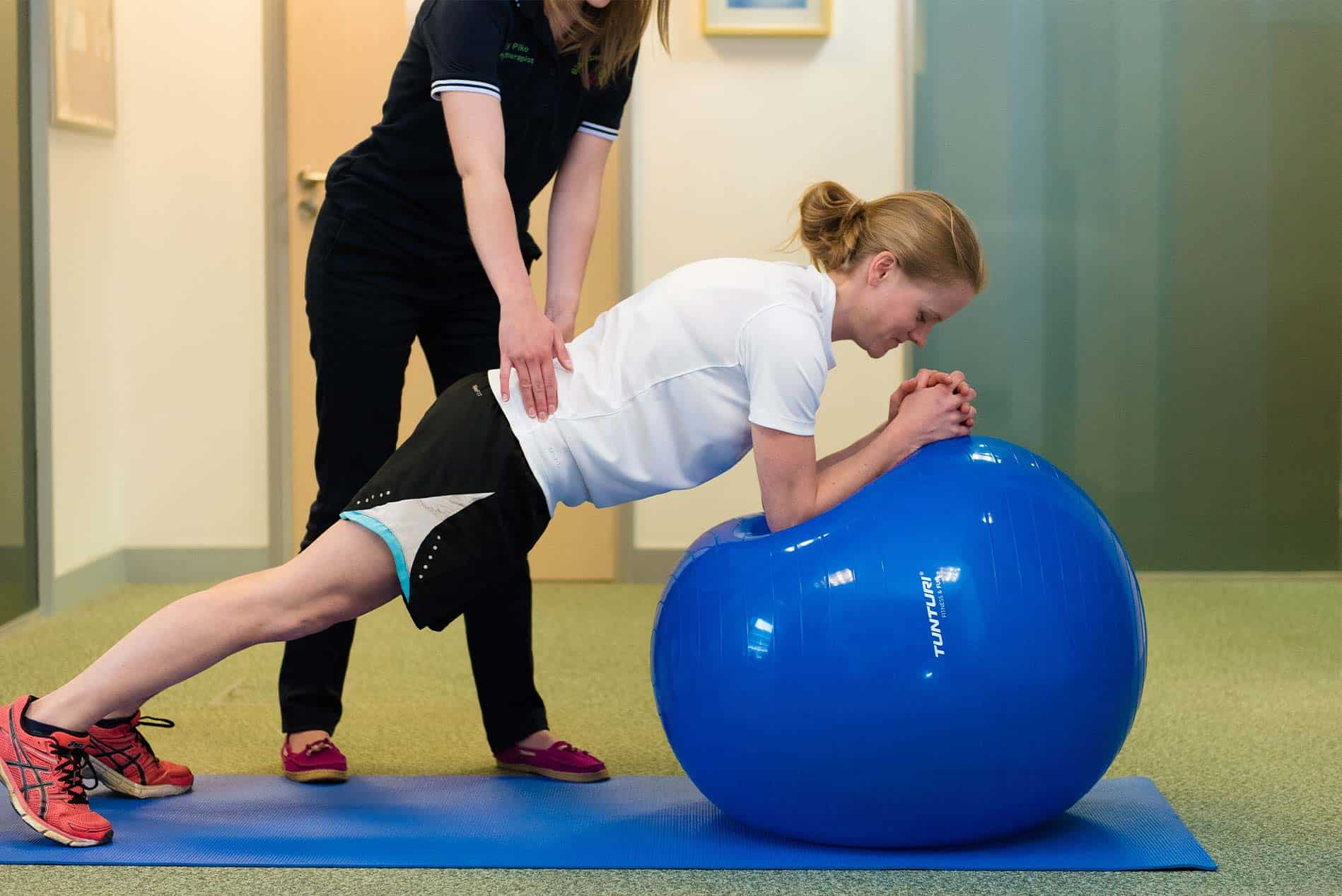
Our routine daily activities like sitting for long periods at desks, already predispose us to a whole host of muscle imbalances. Due to the repetitive nature of swimming, the same action, same movements, same muscle contractions over and over again, it is no surprise that certain muscles become extremely well developed and strong, while others get weak. Balanced muscle strength around a joint is crucial to support the joint, allow fluid motion and maintain good alignment of the moving parts. Identifying muscle imbalances and applying strengthening or stretching exercises is key to preventing and managing an injury. A physical therapist can help assess this and teach you appropriate exercises. Hands on mobilisation can also help to restore
balance to tight, shortened muscles. With all the strokes there is also likely to be a component of poor technique that can be contributing to the development of an injury. Identifying problems with your stroke that could be overloading or straining certain structures is the second key step to preventing and managing an injury.
PRE-HABILITATION
Pre-habilitation involves performing specific stretches and strengthening exercises on a regular basis as part of your routine training, with the specific goal of preventing injury. Having regular
massages and seeing a physical therapist to mobilise or loosen any stiff, tight structures may help you avoid developing a serious, debilitating injury. In an ideal world pre-hab would be as important as the activity itself.
If you have a swimming injury and would like some advice, book in with one of our physios and ask for some prehab exercises.
If you can avoid an injury using our advice on prevention that would be first prize, otherwise focus on getting the right treatment and making changes to your training and technique where possible.