

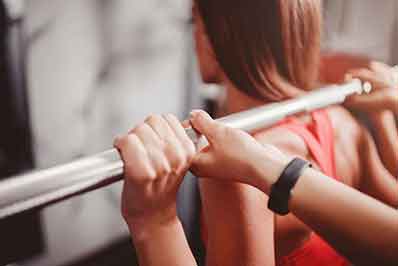
Jordan Smith, one of our physios at Blackberry Clinic Milton Keynes, is finding that some of his patients are suffering from DOMS (Delayed Onset Muscle Soreness) after enthusiastically returning to the gyms now they have reopened. Have a read about this in his blog here:
With outdoor and indoor activities having recently reopened after a long period locked away with that rusting pair of dumbbells and crinkled yoga mat, many of us have jumped right back in to our usual exercise routines. However, this has left those individuals feeling a bit battered and bruised. Don’t worry – this is a completely normal side effect of physical activity!
What are DOMS?
Delayed Onset Muscle Soreness, or DOMS, is the sore, aching, painful feeling we get in muscles after exercise. Muscles that are unfamiliar and therefore unaccustomed to intense exercise will experience greater degrees of DOMS. This explains why training sessions after a prolonged period of time away from exercise produce often unusually heightened levels of DOMS even though what we’re actually doing is similar to before lockdown. Typical DOMS will last 24-48 hours post training but can last up to 5-7 days dependent on the type, intensity and duration of activity.
Why do DOMS occur?
During exercise, our muscles are constantly contracting concentrically (shortening) and eccentrically (lengthening) under load. During these contractions, structural damage to muscle and connective tissue occurs at a microscopic level. Through appropriate rest and diet, the body then uses amino acids, the building blocks of muscle tissue derived from digested proteins, to rebuild these damaged muscle fibres bigger and stronger.
What can I do to prevent DOMS?
DOMS are a perfectly normal, inevitable part of exercise – it informs you your body is coming back stronger! As your body begins to adapt to new training regimes, subsequent bouts of DOMS will start to reduce. There are methods of reducing the impact of DOMS and therefore improve your ability to recover faster and get back to training sooner. Some of these include massage, acupuncture, active recovery exercise and correct dietary/supplementation guidance.
Here are some good tips from Technogym to help prevent DOMS and how to deal with DOMS
Click here to read 5 tips to beat DOMS
DOMS or injury?
This can often be a very difficult evaluation to make after that heavy gym session or 10km run. If you have a niggle that doesn’t seem to be right or persistent DOMS, it is advisable to seek advice from a healthcare professional such as physiotherapist, chiropractor or osteopath here at the Blackberry Clinic.