

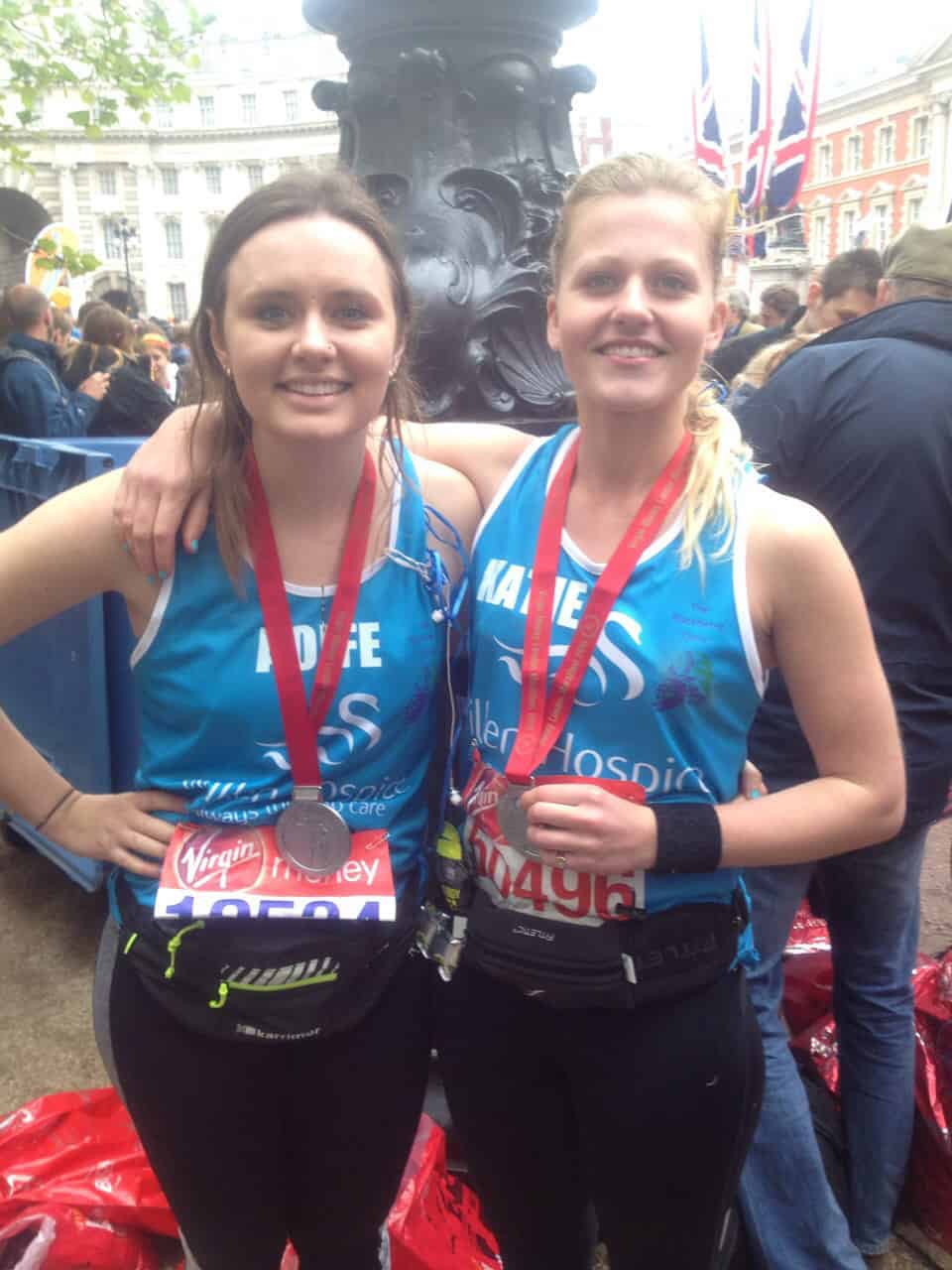
Here is the second in our series of running training tips to avoid injury. Part one was Strength and Conditioning, check out the earlier blog for more information. At Blackberry Clinic our specialist physiotherapists can help you with training for specific events such as marathons or triathlons, ensuring you get the maximum benefit from your training without getting injured. Advice on your running schedule could mean that you meet your goals earlier than expected and are in tip top condition for any event you are preparing for.
LOAD MANAGEMENT
Your load is essentially how much you are training and stressing your body. Your load would be your runs, mileage per week, speed or hill sessions, time trials, gym sessions and races. Too much, too soon is an old saying, but it’s still very relevant here. Managing how much you are doing and not progressing too quickly is essential in injury prevention. You need to give adequate time between training sessions to allow for recovery and adaptation.
Every time you train, especially if you have increased the mileage or added hills or intensity work, your body needs time to take it all in and process it. For the first 24-48 hours it may be saying ‘phew that was hard’, ‘I’m a little tired and achy’, but after time it will be saying ‘that’s ok I managed and it was good’. If you then train again and your body responds in the same way or better, this is the result we’re looking for. If you train too quickly again, without time for your body to accept the load, that’s when the trouble starts.
The physical response will be prolonged pain and stiffness following sessions and potentially persistent pain that can manifest into an injury. Your body has a mind of its own, literally, and you need to respect that. Knowing your body and listening to it is critical.
Plan your training sessions taking into account rest days and progressive gradual increases in load (be it volume or intensity or strength sessions). You may not consider it but loading your body is not only about physical training. ‘Load’ also includes psychological and emotional stress, poor sleep, a physically demanding job, social sports, and travel for example. Runners should try to plan training/races 3-6 months ahead, taking into consideration other commitments outside of running.