

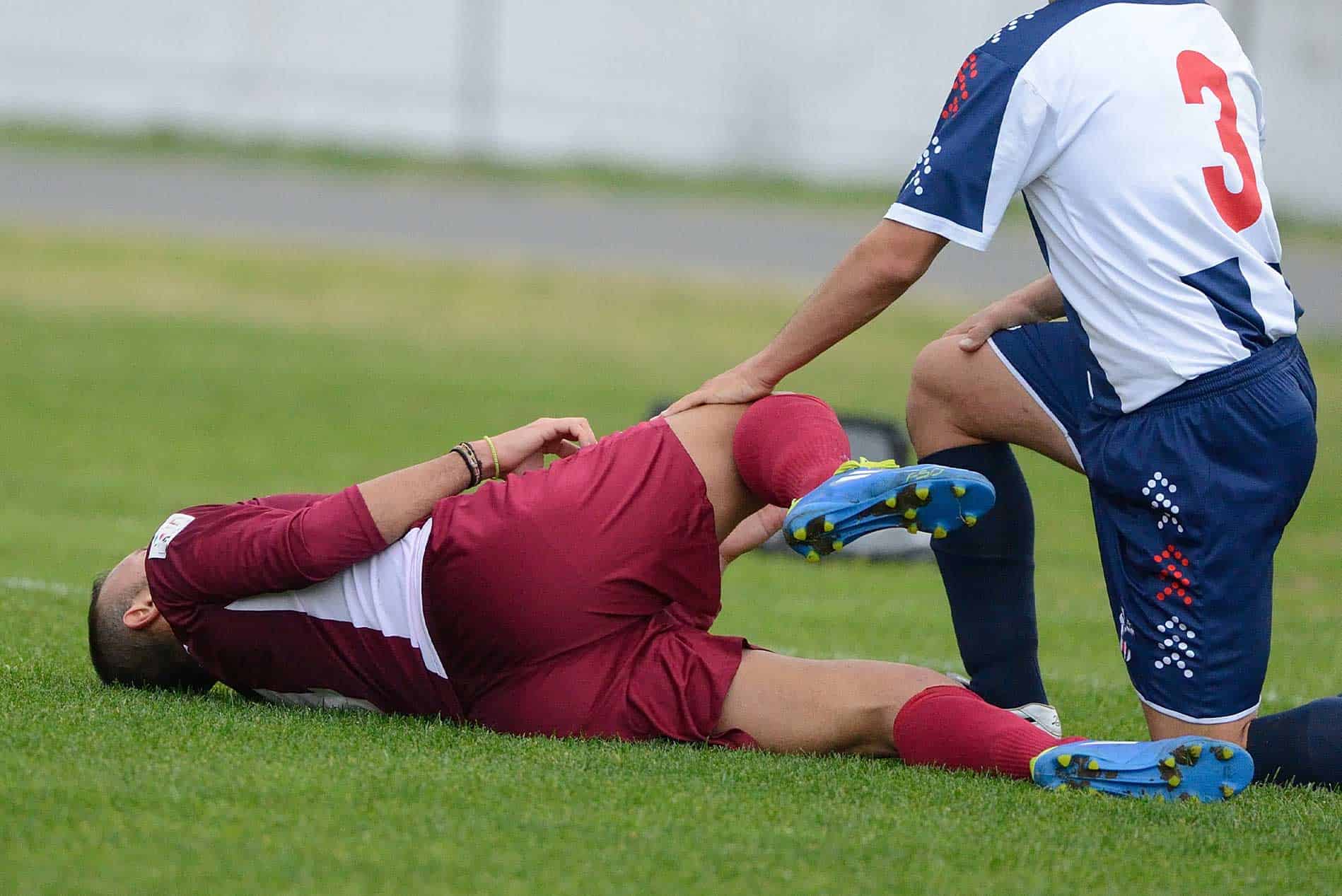
At Blackberry Clinic we have a number of therapy options for you if you damage your hamstring. In the acute stage it would be advisable to seek advice from a physiotherapist, osteopath or chiropractor regarding how best to manage the early stages of the injury. If you do not want to travel you can have a remote consultation. We would advise that within a week or so of the injury you attend one of our Blackberry Clinics to see any of our practitioners, all of whom are able to help you with your injury. You will be given a graduated programme of treatment to get you back to full fitness and playing sport again once you are ready. If you try to go back too soon without proper treatment and exercises, it is very likely that the first time you step back on the pitch you will damage your hamstring again. If your hamstring injury does not respond to physical therapy our Sport & Exercise Medicine Doctors can offer ultrasound examination or refer you for further investigations such as MRI.
HOW IT HAPPENS
How the injury happens may be different depending on when you hurt your hamstring. An acute strain can occur in training or a match with sudden acceleration, sprinting,sharp change in direction or hard breaking and sliding into a tackle (overstretching the hamstring muscle). The hamstring muscle works over the hip and knee, and as such is a two-joint muscle. It contracts to extend the hip, straightening the leg or pulling it back behind you; and it flexes or bends the knee.The hamstring is therefore constantly working throughout all stages of walking or running and
jumping allowing little time for rest or recovery. It is susceptible to fatigue, which makes it vulnerable to injury. A common consequence of this is straining the hamstring in the latter
half of a game as it starts to tire, especially if you are not well conditioned!

WHAT CAN I DO?
As mentioned earlier a history of previous hamstring injury is the biggest risk factor for a future hamstring injury. If you have not had a hamstring injury previously and wish to prevent one (which is the best plan yet!) being proactive and consulting a physical therapy specialist to assess any underlying muscle weakness, or biomechanical issues would be hugely beneficial in the long run. Ensuring your hamstring is working cohesively with your glutes, lower back and buttock/pelvic muscles will ensure they are not overloaded or takingextra strain. Improving their condition and fitness will also help ward off fatigue and injury risk. A thorough warm-up has been proven to reduce hamstring injury risk, so ensure you participate in a warm-up, even if you have arrived late or are rushing to get started, take the time to adequately prepare your muscles for activity. If you have been sitting through periods of the match, warm up on the sideline
again before running onto the field. Otherwise, being a disciplined, compliant patient would be key to optimal recovery. It is essential to follow hands-on treatment with a full rehabilitation programme. It may be hard to stay motivated once the pain disappears, but in order to prevent a recurrence and return to full function it is essential you work through a progressive exercise routine with your physical therapy specialist.
HOW PHYSICAL THERAPY CAN HELP
Physical therapy is an integral part of treating a hamstring injury, both acute and overuse injuries. The sooner you start treatment following an injury the better the outcome. Theearly stages of treatment are not only aimed at reducing pain and swelling, but are also crucial to minimise scar tissue formation and ensure good muscle fibre alignment – which in the long term will ensure a stronger muscle, more resistant to injury. A previous hamstring strain is the biggest risk factor for a future hamstring injury. A chronic overuse hamstring muscle strain can develop over time through training with a feeling of stiffness in the muscle and a deep ache at the back of the thigh or into the buttock. This is often a hamstring tendinopathy. This will be due to a cumulative effect of training, increasing load and intensity but also associated with a number of underlying factors, such as muscle imbalance including eccentric strength, pelvic and core muscle weakness, hard or wet training surface, poor flexibility, lower back pathology, poor warm up and improper running mechanics, fitness/ fatigue. In these tendinopathy cases research has shown there are degenerative changes in the tendon rather than an inflammatory response as previously thought. Tendons have a poor blood supply and are therefore slow and stubborn to heal.
WHAT’S GOING ON INSIDE?
There are four muscles that make up the hamstring: semimembranosus and semitendinosus (medially – ‘inner half’ of the back of your thigh) and biceps femoris – short and long heads (laterally – ‘outer half’ of the back of your thigh). Injury could be to any one or more of them, with a tear or cumulative strain to the muscle fibres. A hamstring strain can range from mild to very severe involving a complete tear of the hamstring muscle.
For more detailed information about hamstring strains and the treatment available visit our hamstring injury page on the website or click the link on the link below for a downloadable leaflet.
https://www.co-kinetic.com/media/render/d7fb96ecbbcf1c0745c1c062bc058045/media.pdf?brandContent=true