

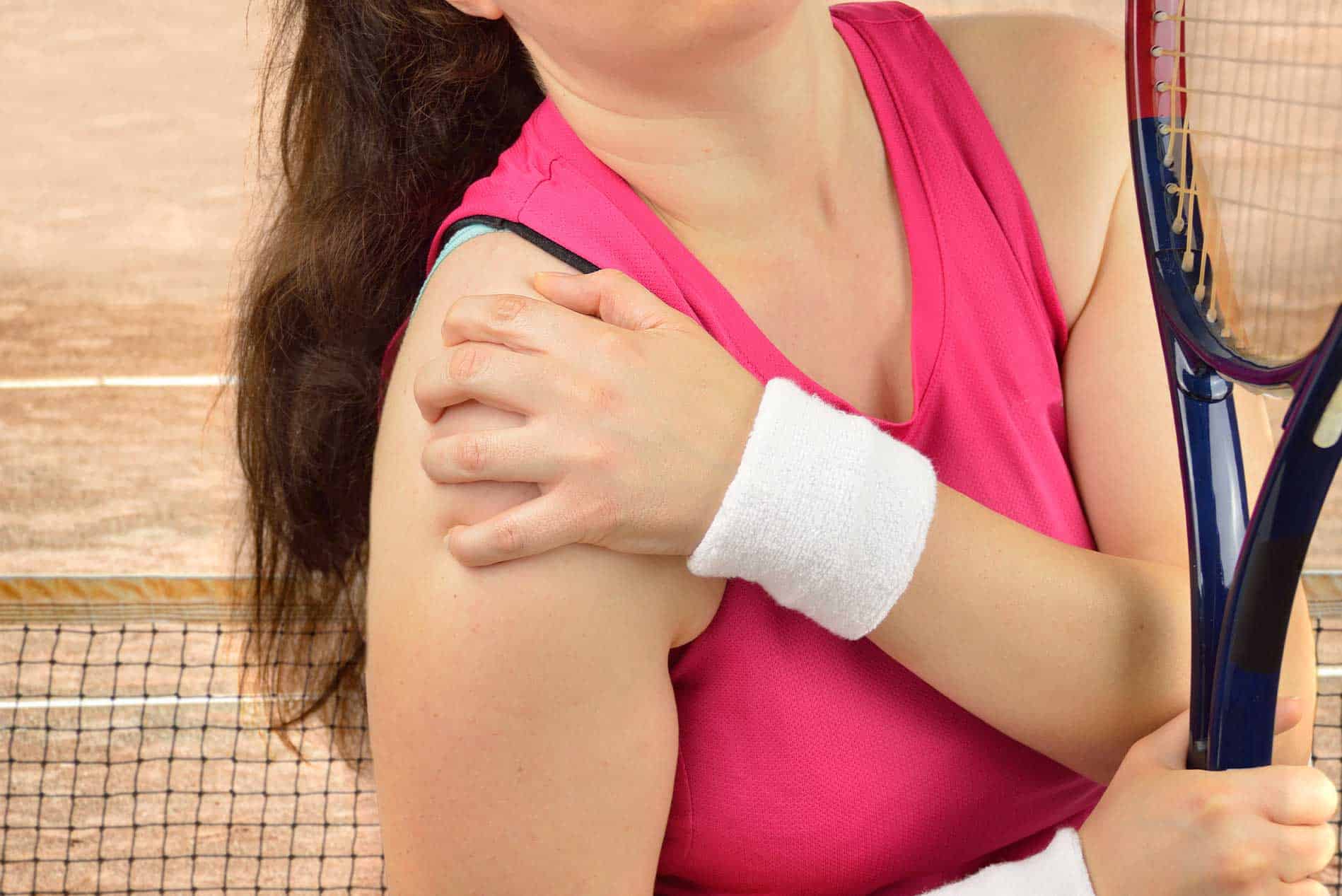
The rotator cuff is a group of tendons that connects the four muscles of the upper shoulder to the upper arm. The strength of the cuff allows the muscles to lift and rotate the humerus (the bone of the upper arm). The tendons run under the acromion (part of the shoulder blade) where they are very vulnerable to being damaged. This can lead to a tear resulting in a painful, weak shoulder. A tear may result suddenly from a single traumatic event or develop gradually. When the tendons or muscles of the rotator cuff tear, you may no longer able to lift or rotate your arm with the same range of motion as before the injury and/or have significant pain associated with shoulder motion. The pain is also very common at night, often radiating down the arm.
As people age, it is normal for the rotator cuff tendon to wear and degrade. The rotator cuff becomes weak and prone to rupture or tear. A fall or wrenching injury can then result in complete rupture of the tendons. This leads to pain and weakness of the shoulder.

Causes:
- Injury, especially while trying to lift or catch a heavy object
- Overuse, especially after a period of inactivity
- Poor blood supply to an area of the cuff (which occurs with increasing age)
- A fall on an outstretched arm
- A gradual weakening of the tendons of the shoulder, often associated with impingement
Symptoms:
The location of the tear has an important influence on the possible dysfunctions.
Individuals with a rotator cuff tear may suffer from:
-severe pain at time of injury
– pain at night
– pain with overhead activities
– positive painful arc sign
– weakness of involved muscle
– shoulder stiffness.
Individuals with a tear of the supraspinatus may complain of tenderness over the greater tuberosity, pain located in the anterior shoulder and symptoms radiating down the arm.
Diagnosis:
Many factors are considered in diagnosing rotator cuff tears. Subjective history including mechanism of injury, activities that aggravate or ease pain, current limitations to function and physical examination findings. Additionally, diagnostic imaging is used to confirm the diagnosis.
Treatment:
Rehabilitation plays a critical role in the conservative treatment of a rotator cuff tear. When a tear occurs, there is frequently atrophy of the muscles around the arm and loss of motion of the shoulder. An exercise program is necessary to regain strength and improve function of the shoulder.
Research has concluded that there are seven stages that need to be covered to effectively rehabilitate rotator cuff tears and limit incidence of recurrence.
These are:
- Early Injury Protection: Pain relief and reduction in inflammation
- Regain full shoulder range of motion
- Restore scapula control
- Restore normal neck-scapulo-thoracic-shoulder function
- Restore rotator cuff strength
- Restore high speed, power, proprioception and agility
- Return to sport or work

At Blackberry Clinic we will discuss your goals, time frames and training schedules with you to optimise your return to activity. Our multi disciplinary team will decide on the best approach for optimum recovery, working together as a team to offer a full and comprehensive treatment programme. Book in with one of physiotherapists, chiropractors, osteopaths or musculoskeletal medicine doctors to get an accurate diagnosis and start on the path to full recovery.
In some cases conservative management may not improve symptoms. Our clinicians may refer you on for surgical management if required.