

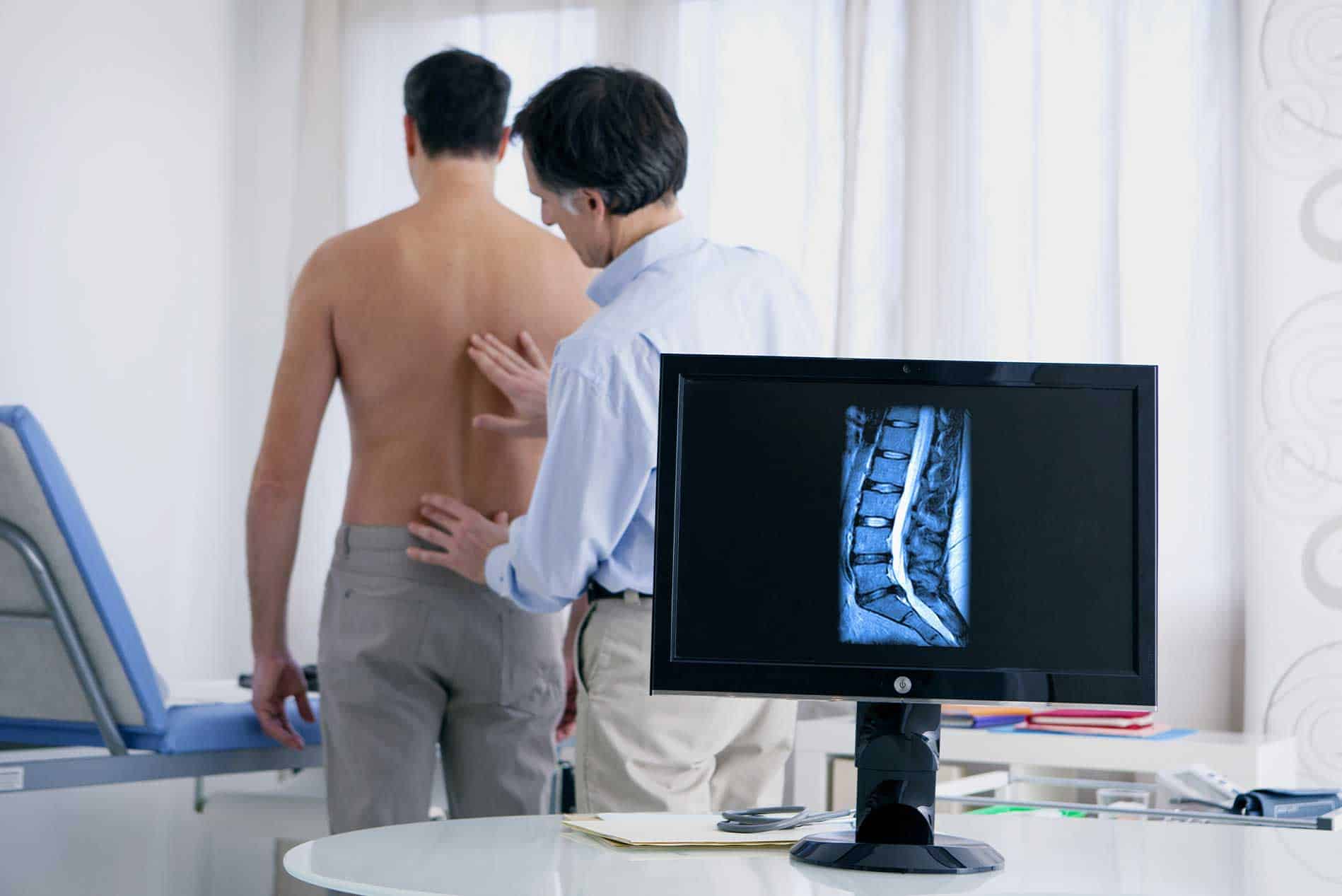
Why won’t my back pain get better?
Patient-centred care at Blackberry Clinics for people suffering from chronic pain
A holistic and integrated method of treatment has been the focus of our ethos at the Blackberry Clinic Group for the last 30 years.
Someone has finally put a name to it: ‘Patient-centred care’.
Currently, research papers, educational conferences, clinical guidelines and practice focus on specific parts of the body, for example, hip arthritis, knee cartilage degeneration, low back pain, neck pain etc.
Many musculoskeletal disorders are associated with co-morbidities such as anxiety, depression, obesity, heart disease etc. and share certain psychosocial profiles such as unemployment, dissatisfaction at work or a dysfunctional family life.
Evidence based ‘Best Practice’ is described in the medical literature for ‘conditions’ themselves but this should also apply in the context of the ‘patient’ profile.
At Blackberry Clinic we focus also on the patient profile and any biopsychosocial issues that may influence pain and disability.
Along with a full history, clinical examination and treatment, we educate patients in exercise therapy, physical activity and healthy living thus reducing the reliance on the health service and other interventions. Each individual patient has their treatment approach designed specifically for them rather than giving a standard treatment to someone with low back pain for example.
We also use ‘shared decision making’ to conclude which treatment regimen is most appropriate. This is a negotiation between patient and clinician and needs to suit both. Shared decision making ensures that individuals are supported to make decisions that are right for them. As NHS England state on their website:
‘It is a collaborative process through which a clinician supports a patient to reach a decision about their treatment.
The conversation brings together:
- the clinician’s expertise, such as treatment options, evidence, risks and benefits
- what the patient knows best: their preferences, personal circumstances, goals, values and beliefs.’
This has been a crucial aspect of consultations in the Blackberry Clinic for over 30 years and has now been recognised as essential to optimise recovery.
We consider surgical referral only if there is a clear indication and when nonsurgical approaches have been exhausted.
In treating patients with chronic pain our clinicians communicate with the patient clearly in order to identify biopsychosocial drivers of pain and disability. These include aberrant pain beliefs and abnormal coping strategies. The patient’s social environment is also considered along with the amount of exercise taken and the presence of other illnesses. Thus, we can identify ‘obstacles to recovery’ and indications for particular therapeutic interventions.
Our clinicians often use educational tools as the central narrative for patient care in order to impart evidence-based information and help facilitate change. We use simple language and models of body parts to describe the condition.

We write down key information and refer to websites or learning aids. Exercise therapy can be used to improve well-being as well as focusing the patients on evidence based programs relayed in several formats appropriate to their preferences. Our Musculoskeletal Medicine Physicians, Sport & Exercise Medicine Consultants and Pain Management Physicians along with our physiotherapists, chiropractors and osteopaths empower patients to engage in these exercises and other activities whilst promoting a healthy lifestyle. Activity and exercises often relieve pain and improve function as well as mood. During this process we address any unhelpful beliefs which may be undermining recovery.
Our clinicians also address exercise programmes in terms of load management and will be graduating the amount of exercises given on an incremental basis. Attention will be paid to intensity and frequency of exercises along with specific weaknesses and abnormal ranges of motion. We will give movement advice and how to avoid protective muscle guarding.

Other factors that often need addressing include weight control, physical activity, sleep, relaxation, nutrition and lifestyle factors.
These approaches can help build self-efficacy and sustainable self-management strategies in line with the patient’s preferences and objectives. Referrals are made for any co-morbidities that also need addressing.
Patient-centred care and shared decision making of this kind optimise the value and cost-effectiveness we provide at Blackberry Clinics as well as expediting recovery, reducing load on NHS appointments and hastening return to work.

Dr Simon Petrides MB BS DM-SMed Dip Sports Med DO PGCert FFSEM(UK &I)
Musculoskeletal Medicine & Sports Physician
Blackberry Clinic Group Medical Director